There was this quiet Sunday afternoon when the whole house smelled like a cozy bakery, even though I hadn’t stepped foot outside. I was poking around the pantry, half-hoping to find something that didn’t require a grocery run, when my eyes landed on a jar of Biscoff cookie butter. Honestly, I’d always been a bit skeptical about that spread—sweet, spiced, and all those rumors about it being addictive? Seemed a bit over the top. But that day, tired of the usual desserts and craving something with a little more soul, I decided to throw together a cheesecake using that jar. No fancy plans, no precise expectations.
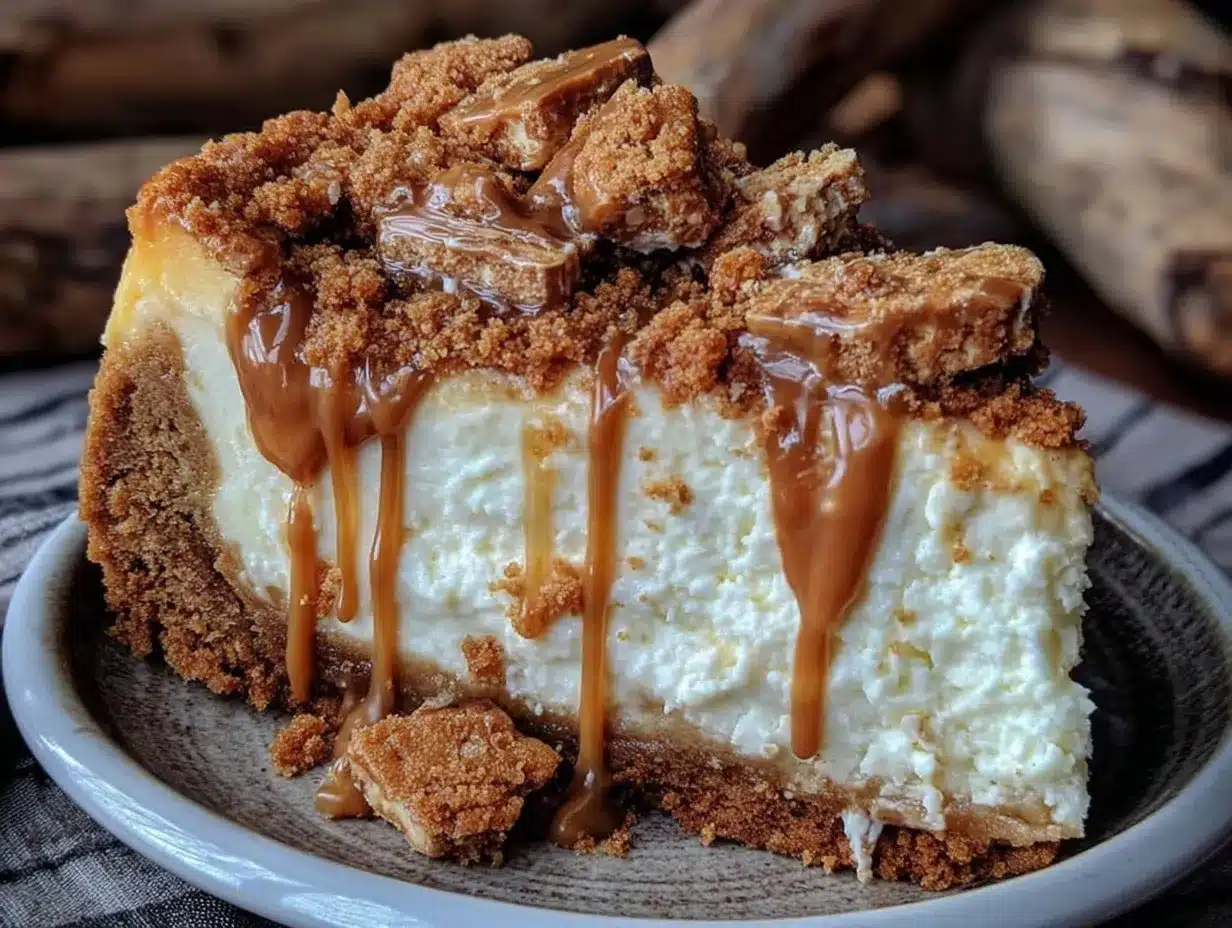
What happened next was kind of surprising. The cheesecake came out creamy, with this velvety texture that just melted on the tongue. The Biscoff cookie butter wasn’t overpowering; it played this subtle, comforting role, like a warm hug in dessert form. My family, usually not the most expressive about sweets, kept sneaking second and third bites without saying a word. It was one of those recipes that felt like a quiet win—no flash, no fuss, but somehow unforgettable.
That cheesecake stuck around in my regular rotation, especially for those moments when I wanted something special but didn’t want to spend hours in the kitchen. The silky texture paired with the spiced cookie flavor created this unique combo that feels both indulgent and comforting. It’s the kind of dessert that makes you slow down and savor, even when life’s rushing by. And honestly, that’s why I keep coming back to this creamy Biscoff cookie butter cheesecake with its velvety texture—because sometimes, simple surprises bring the most joy.
Why You’ll Love This Recipe
- Quick & Easy: Ready in under 1 hour from start to finish, perfect for those impromptu dessert cravings or last-minute guests.
- Simple Ingredients: Uses pantry staples plus that magical jar of Biscoff cookie butter you may already have hiding in your cupboard.
- Perfect for Any Occasion: Whether it’s a casual family dinner, a cozy weekend treat, or a festive gathering, this cheesecake fits right in.
- Crowd-Pleaser: Kids and adults alike rave about the creamy texture combined with the subtle spice of cookie butter—always a hit.
- Unbelievably Delicious: The balance of richness and smoothness takes comfort food to a whole new level you won’t forget.
This isn’t just another cheesecake recipe; it’s the one that nails the texture—ultra-creamy but light enough that you don’t feel weighed down after a slice. The secret? A gentle folding technique and a bit of patience that brings out the velvety quality. Plus, using Biscoff cookie butter instead of crushed cookies keeps it luxuriously smooth and full of flavor. It’s the kind of dessert that feels fancy but is actually pretty forgiving in the kitchen, which means you can impress without the stress.
It’s the recipe I reach for when I want something that tastes like a treat but doesn’t require a whole day to make. That’s why it’s stuck around in my recipe box—and I bet it’ll find a special place in yours, too.
What Ingredients You Will Need
This recipe uses simple, wholesome ingredients to deliver bold flavor and a satisfying, velvety texture without the fuss. Most of these are pantry staples, and the Biscoff cookie butter is what really makes this cheesecake sing. Here’s what you’ll need:
- For the crust:
- 1 1/2 cups (150g) Biscoff cookies, finely crushed (or graham crackers as a substitute)
- 6 tablespoons (85g) unsalted butter, melted (I prefer Kerrygold for richness)
- 2 tablespoons granulated sugar (optional, depending on your cookie sweetness)
- For the filling:
- 16 oz (450g) cream cheese, softened (Philadelphia brand works great for smooth results)
- 1 cup (260g) Biscoff cookie butter, room temperature
- 3/4 cup (150g) granulated sugar
- 3 large eggs, room temperature
- 1/2 cup (120ml) sour cream (adds tang and creaminess; can swap for Greek yogurt)
- 1 teaspoon vanilla extract
- Pinch of salt (balances sweetness)
- For the topping (optional):
- 1/4 cup (65g) Biscoff cookie butter, warmed slightly for drizzling
- Whipped cream or crushed Biscoff cookies for garnish
- 8-inch (20cm) springform pan – makes removing the cheesecake easy and clean.
- Mixing bowls – at least two, one for crust and one for filling.
- Electric mixer or stand mixer – for smooth, lump-free cream cheese blending. You can use a hand whisk, but it takes more elbow grease.
- Measuring cups and spoons – for accuracy.
- Rubber spatula – to scrape down the bowl and fold ingredients gently.
- Food processor (optional) – handy for crushing cookies super fine, but a rolling pin and zip-top bag work just fine if you don’t have one.
- Prepare the crust (10 minutes): Preheat your oven to 325°F (160°C). Crush the Biscoff cookies into fine crumbs using a food processor or by placing them in a zip-top bag and rolling with a pin. Mix the crumbs with melted butter and sugar until the mixture resembles wet sand.
- Press the crust: Firmly press the crumb mixture into the bottom of your springform pan, creating an even layer. Use the bottom of a glass to compact it tightly. Bake for 10 minutes, then remove and let cool while preparing the filling.
- Make the filling (15 minutes): In a large mixing bowl, beat the softened cream cheese until smooth and lump-free. Add the granulated sugar and continue to beat until creamy. Next, add the Biscoff cookie butter and mix until fully incorporated. This step is key for that velvety texture, so take your time to avoid lumps.
- Add eggs one at a time: Beat in eggs one by one, mixing just until combined after each addition. Overbeating can trap air and cause cracks in your cheesecake later.
- Fold in sour cream, vanilla, and salt: Gently fold these in with a spatula, ensuring the batter is smooth and silky. Avoid vigorous mixing here.
- Pour and smooth: Pour the filling over the cooled crust and smooth the top with a spatula. Tap the pan gently on the counter a few times to release any air bubbles.
- Bake the cheesecake: Bake at 325°F (160°C) for 50-60 minutes. The edges should be set, but the center should still have a slight jiggle—this prevents overbaking and keeps the texture creamy.
- Cool gradually: Turn off the oven and leave the cheesecake inside with the door slightly ajar for 1 hour. This slow cooling helps prevent cracks. Then transfer to the fridge for at least 4 hours or overnight.
- Add finishing touches: Before serving, warm some Biscoff cookie butter and drizzle it over the top. Add whipped cream or crushed cookies for an extra touch.
- Chocolate Biscoff Swirl: Stir in 1/4 cup (40g) melted dark chocolate into half the batter and swirl it through before baking for a marbled effect.
- Vegan Adaptation: Use vegan cream cheese and coconut yogurt in place of dairy ingredients, and flax eggs (1 tbsp flaxseed meal + 3 tbsp water per egg) instead of real eggs.
- Nutty Crunch: Add 1/2 cup (60g) chopped toasted pecans or walnuts to the crust for extra texture.
- Seasonal Twist: Top with fresh figs or pears in fall for a fruity contrast to the spiced cookie flavor.
- Low-Sugar Option: Replace sugar with a natural sweetener like erythritol or stevia blend, adjusting amounts to taste.
If you want a gluten-free version, use gluten-free cookie crumbs and make sure your cookie butter is certified gluten-free. For a dairy-free adaptation, swap cream cheese and sour cream for plant-based alternatives, though the texture might vary slightly. In summer, a handful of fresh berries on top adds a bright contrast to the rich cookie butter flavor.
Equipment Needed
Personally, I find the springform pan is worth the investment if you bake cheesecakes often. It’s easy to clean and sturdy. If you don’t own an electric mixer, just give yourself some extra time to beat the cream cheese until silky smooth. A rubber spatula is a must-have for folding in the cookie butter without deflating the batter. Budget-wise, the cookie crushing can be done with a simple bag and rolling pin, so no worries there!
Preparation Method
Common pitfalls? Don’t rush the cream cheese mixing or overbeat the eggs. If your cream cheese is too cold, lumps are almost guaranteed. Also, avoid blasting the cheesecake in a hot oven to keep the texture ultra-smooth. I learned this the hard way after a cracked, dry cheesecake that nobody wanted to eat.
Cooking Tips & Techniques
One trick I swear by is letting the cream cheese come fully to room temperature before mixing. Cold cream cheese causes clumps, and no one wants a grainy cheesecake. Also, when adding eggs, mix gently—overbeating traps too much air, leading to cracks or an uneven texture.
Using sour cream is a game-changer. It adds just enough tang and moisture to balance the sweetness and keeps the cheesecake from feeling dense. If you don’t have sour cream, Greek yogurt is a decent stand-in but expect a slight difference in flavor.
Another tip: bake the cheesecake in a water bath if you’re feeling fancy. It helps regulate heat and prevents cracks, especially in humid kitchens. But honestly, the slow cooling method (oven off, door cracked) works wonders without the water mess.
When it cools, resist the urge to cut into it right away. Cheesecake sets fully once chilled, and slicing too soon can make it fall apart. I usually let mine rest overnight and then slice with a hot, clean knife for neat edges.
Variations & Adaptations
I once tried swirling in a bit of peanut butter with the Biscoff spread—it was surprisingly delicious, adding a subtle nutty dimension. Feel free to experiment; this cheesecake is forgiving and tastes great with small tweaks.
Serving & Storage Suggestions
Serve this cheesecake chilled or at room temperature for the best texture. A little drizzle of warmed Biscoff cookie butter on top just before serving adds a lovely glossy finish and extra flavor. Pair it with a cup of freshly brewed coffee or chai tea to complement the spiced notes.
Store leftovers tightly wrapped in the refrigerator for up to 5 days. The flavors actually deepen after a day or two, making it even better. For longer storage, you can freeze slices individually wrapped in plastic wrap and foil; thaw overnight in the fridge before serving.
When reheating, avoid the microwave to prevent texture loss. Instead, let the cheesecake come to room temperature naturally or briefly warm the top with a hot spoon for that melted cookie butter drizzle effect.
Nutritional Information & Benefits
Each serving (about 1/12 of the cheesecake) roughly contains:
| Calories | 380 kcal |
|---|---|
| Fat | 28g |
| Carbohydrates | 28g |
| Protein | 6g |
Biscoff cookie butter adds a unique spiced flavor profile with cinnamon and caramel notes, giving a comforting twist beyond traditional cheesecakes. The cream cheese and sour cream contribute calcium and protein, while the recipe’s moderate sugar content keeps it indulgent but not overwhelming.
If you’re gluten-sensitive, swapping to gluten-free cookies keeps this dessert accessible. The recipe is also easy to adapt for dairy-free diets, making it friendly for various eating preferences.
Conclusion
This creamy Biscoff cookie butter cheesecake with velvety texture is proof that sometimes the best desserts come from a little curiosity and a well-stocked pantry. It’s rich but balanced, simple yet impressive, and manages to be both everyday comfort and special occasion treat.
Feel free to tweak it to your taste—whether that means adding chocolate swirls, nuts, or going dairy-free. It’s a recipe that welcomes your personal touch without losing its magic.
I keep this one in my rotation because it never lets me down, and every time I slice a piece, I’m reminded of how something so straightforward can bring a quiet kind of joy. If you give it a try, I’d love to hear how it turns out and what versions you come up with!
Frequently Asked Questions
Can I use regular peanut butter instead of Biscoff cookie butter?
You can substitute peanut butter, but the flavor will be quite different—more nutty and less spiced. It won’t have the same caramel notes that make this cheesecake unique.
Do I have to bake the crust before adding the filling?
Baking the crust helps it set and prevents sogginess. You can skip it if you’re in a hurry, but the crust may be softer and less sturdy.
How do I prevent cracks on my cheesecake?
Mix ingredients gently, avoid overbeating, and cool the cheesecake gradually by leaving it in the turned-off oven with the door ajar before chilling.
Can I make this cheesecake ahead of time?
Absolutely! It actually tastes better after chilling overnight, which helps the flavors meld and texture firm up.
What’s the best way to slice the cheesecake neatly?
Use a hot, clean knife and wipe it between each slice. This helps get smooth, clean edges without tearing the cake.
Pin This Recipe!
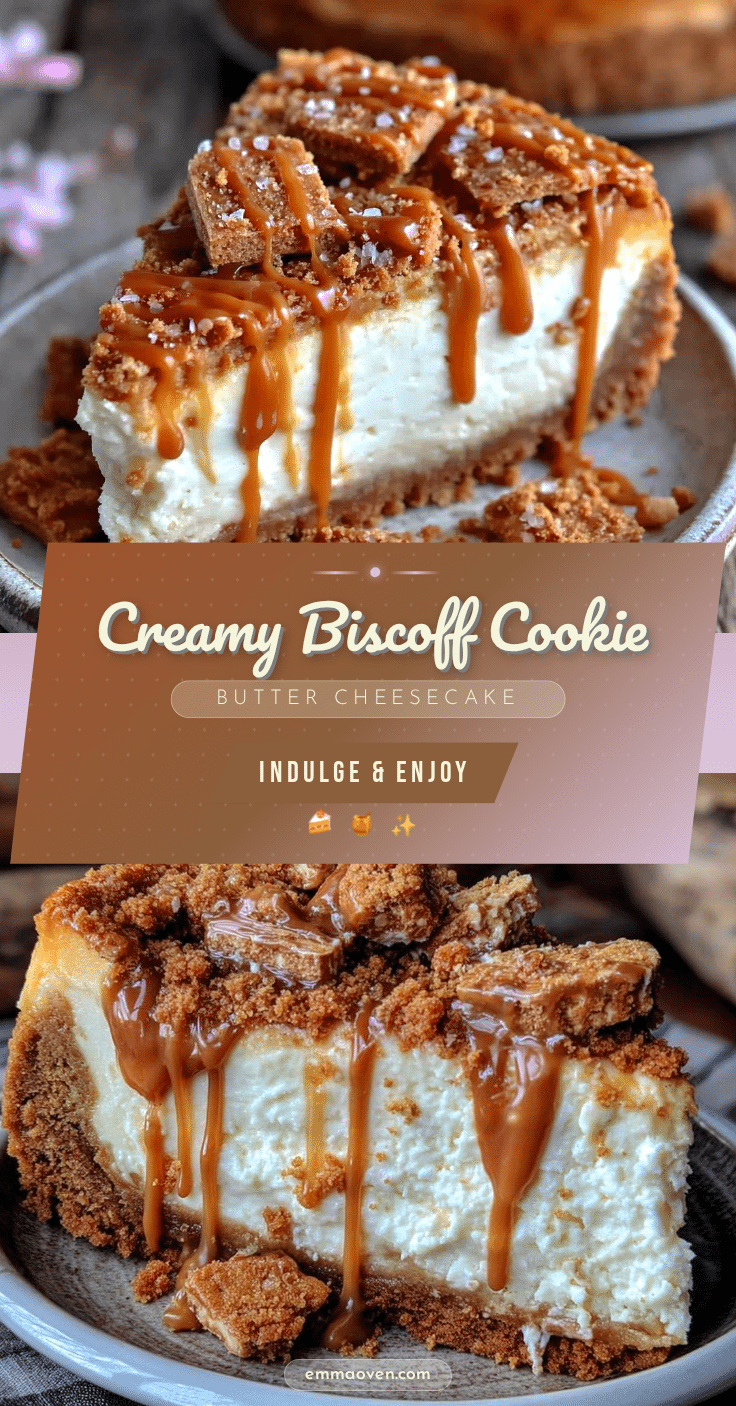
Creamy Biscoff Cookie Butter Cheesecake
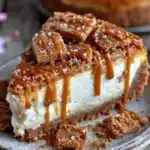
A quick and easy cheesecake recipe featuring Biscoff cookie butter for a creamy, velvety texture and subtle spiced flavor. Perfect for any occasion and loved by both kids and adults.
- Prep Time: 25 minutes
- Cook Time: 1 hour
- Total Time: 5 hours 25 minutes
- Yield: 12 servings 1x
- Category: Dessert
- Cuisine: American
Ingredients
- 1 1/2 cups (150g) Biscoff cookies, finely crushed (or graham crackers as a substitute)
- 6 tablespoons (85g) unsalted butter, melted
- 2 tablespoons granulated sugar (optional)
- 16 oz (450g) cream cheese, softened
- 1 cup (260g) Biscoff cookie butter, room temperature
- 3/4 cup (150g) granulated sugar
- 3 large eggs, room temperature
- 1/2 cup (120ml) sour cream
- 1 teaspoon vanilla extract
- Pinch of salt
- For topping (optional): 1/4 cup (65g) Biscoff cookie butter, warmed slightly for drizzling
- Whipped cream or crushed Biscoff cookies for garnish
Instructions
- Preheat oven to 325°F (160°C). Crush Biscoff cookies into fine crumbs using a food processor or rolling pin in a zip-top bag.
- Mix cookie crumbs with melted butter and sugar until mixture resembles wet sand.
- Press crumb mixture firmly into the bottom of an 8-inch springform pan to create an even layer. Compact tightly using the bottom of a glass.
- Bake crust for 10 minutes, then remove and let cool while preparing filling.
- Beat softened cream cheese in a large bowl until smooth and lump-free.
- Add granulated sugar and beat until creamy.
- Add Biscoff cookie butter and mix until fully incorporated, avoiding lumps.
- Beat in eggs one at a time, mixing just until combined after each addition to avoid overbeating.
- Gently fold in sour cream, vanilla extract, and salt with a spatula until smooth and silky.
- Pour filling over cooled crust and smooth the top. Tap pan gently on counter to release air bubbles.
- Bake cheesecake at 325°F (160°C) for 50-60 minutes until edges are set but center has a slight jiggle.
- Turn off oven and leave cheesecake inside with door slightly ajar for 1 hour to cool gradually.
- Transfer cheesecake to refrigerator and chill for at least 4 hours or overnight.
- Before serving, warm Biscoff cookie butter and drizzle over the top. Garnish with whipped cream or crushed cookies if desired.
Notes
Let cream cheese come to room temperature before mixing to avoid lumps. Mix eggs gently to prevent cracks. Slow cooling in the oven with door ajar helps prevent cracks. Baking crust is recommended for sturdiness but can be skipped if in a hurry. Use a hot, clean knife for neat slicing. For gluten-free, use gluten-free cookie crumbs and certified gluten-free cookie butter. For dairy-free, substitute cream cheese and sour cream with plant-based alternatives.
Nutrition
- Serving Size: 1 slice (1/12 of che
- Calories: 380
- Fat: 28
- Carbohydrates: 28
- Protein: 6
Keywords: Biscoff cheesecake, cookie butter cheesecake, creamy cheesecake, easy dessert, no-fuss cheesecake, velvety cheesecake, spiced dessert