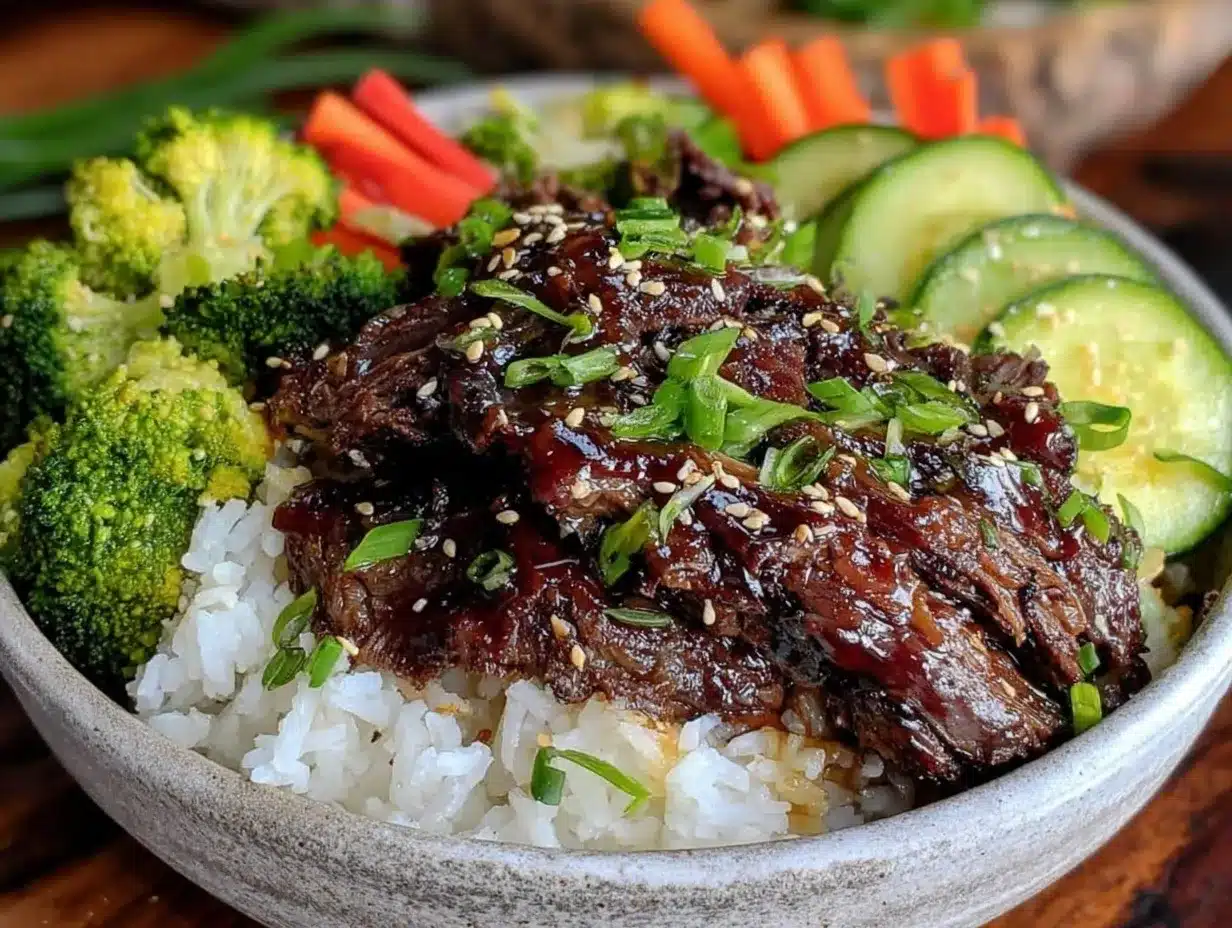
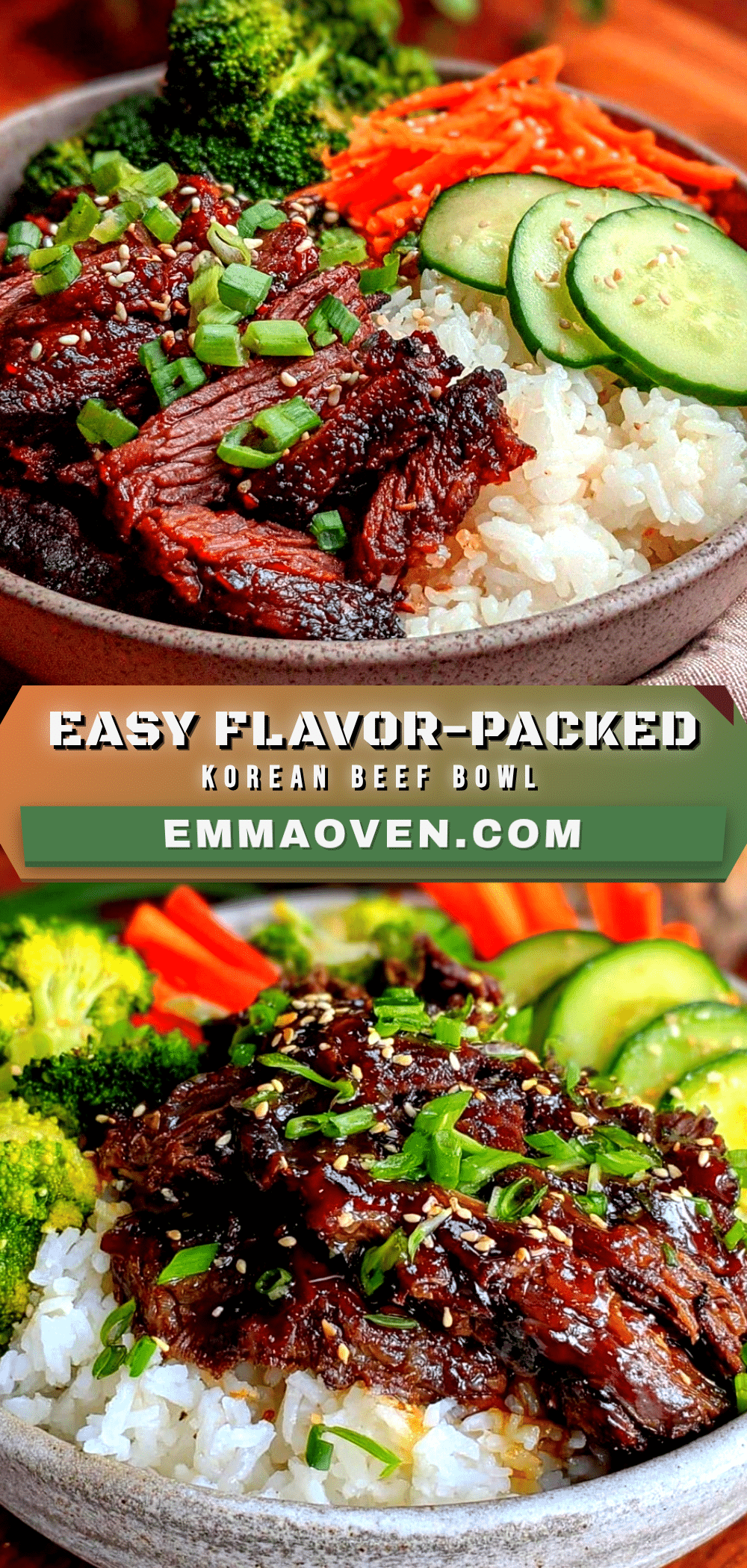
“Hey, you got any quick dinner ideas?” That text from my roommate popped up right as I was juggling groceries and trying to decide what to cook after a long day. Honestly, I was about to throw in the towel and order takeout when I remembered a little something I’d whipped up a few nights ago that turned out way better than I expected: an easy flavor-packed Korean beef bowl with rice and vegetables. I wasn’t even sure if it’d come together well—mostly a last-minute combo of pantry staples and whatever veggies were left in the fridge—but it hit that perfect sweet, salty, and savory note that made both of us pause with our chopsticks halfway to our mouths.
What really got me was how this dish transformed an ordinary, somewhat chaotic evening into a cozy, satisfying meal that didn’t feel like a compromise. The aroma of garlic and ginger mingling with soy sauce filled the kitchen with a warmth that made me forget how tired I was. Plus, the texture of tender ground beef layered over fluffy rice with bright, crunchy vegetables gave it this addictive balance I kept craving all week long. That little bowl became my go-to quick fix when time and energy were scarce.
It’s funny how sometimes the simplest recipes—ones you almost skip past—end up being the most memorable. This Korean beef bowl stuck with me because it’s honest food: no fancy ingredients, no complicated steps, just big flavor that feels like home. I’m sharing it here not because it’s flashy, but because it’s real and it works. If you’ve ever needed a meal that’s easy, fast, and totally satisfying, this one’s for you.
Why You’ll Love This Recipe
After testing this easy Korean beef bowl recipe multiple times (and getting the thumbs-up from a couple of picky eaters), I can confidently say it’s a solid weeknight winner. Honestly, it’s one of those dishes that feels like you put in way more effort than you actually did. Here’s what makes it stand out:
- Quick & Easy: Ready in about 20 minutes, it’s perfect when you want a hot, home-cooked meal without the fuss.
- Simple Ingredients: No need to hunt down hard-to-find items—the sauce is made with staples like soy sauce, brown sugar, and garlic.
- Perfect for Any Occasion: Whether it’s a busy weeknight dinner or a laid-back weekend lunch, this bowl fits right in.
- Crowd-Pleaser: The sweet-savory flavor combo has a broad appeal, so family and friends tend to ask for seconds.
- Unbelievably Delicious: The tender, caramelized beef with a hint of ginger and the fresh crunch of veggies makes every bite exciting.
What makes this Korean beef bowl different from others? I’ve found that the secret lies in balancing the sauce just right—enough brown sugar to add a subtle sweetness without overpowering, plus a splash of sesame oil for that nutty finish. I also like to toss in finely grated ginger; it’s a small step but adds huge depth. Plus, layering it over warm, fluffy rice and crisp veggies makes it feel wholesome and complete. It’s not just another beef bowl; it’s the one that makes you close your eyes and smile after the first bite.
What Ingredients You Will Need
This recipe uses simple, wholesome ingredients to deliver bold flavor and satisfying texture without the fuss. Most of these are pantry staples, and you can easily swap or adjust based on what you have on hand.
- Ground Beef (80/20 lean-to-fat ratio recommended for best juiciness)
- Garlic, minced (adds aromatic depth)
- Fresh Ginger, grated (key for that authentic Korean flavor)
- Soy Sauce (I prefer low-sodium for better control over saltiness; Kikkoman works great)
- Brown Sugar (light or dark, depending on your sweetness preference)
- Sesame Oil (toasted, for that smoky, nutty note)
- Rice Vinegar (adds subtle acidity to balance flavors)
- Green Onions, sliced (for freshness and mild bite)
- Carrots, julienned or thinly sliced (adds crunch and sweetness)
- Snap Peas or Sugar Snap Peas (for crisp, bright veggie texture)
- Cooked Jasmine or Short-Grain Rice (warm and fluffy base)
- Red Pepper Flakes (optional, if you want just a hint of heat)
If you want a gluten-free version, just swap soy sauce for tamari. For a vegetarian twist, try substituting ground beef with finely chopped mushrooms or crumbled tofu. I’ve also used frozen mixed veggies in a pinch—just toss them in before the beef finishes cooking.
Equipment Needed
- Large Skillet or Non-Stick Pan: A good skillet helps caramelize the beef evenly without sticking. I like using my cast iron for the best sear, but a non-stick pan works just fine.
- Medium Saucepan: For cooking rice. If you have a rice cooker, even better—makes life easier.
- Sharp Knife & Cutting Board: For prepping veggies and aromatics quickly and safely.
- Measuring Spoons & Cups: Accurate measurements help keep the sauce balanced.
- Mixing Bowl: To whisk together the sauce components before adding to the beef.
If you don’t have a cast iron skillet, a heavy-bottomed stainless steel pan will do just fine. Also, keeping your knife sharp reduces prep time and frustration—trust me, I’ve been there. Budget-friendly options for non-stick pans are available, and they clean up pretty quickly, which is always a plus after a busy day.
Preparation Method
- Cook the Rice: Start by cooking 2 cups (400g) of jasmine or short-grain rice according to package instructions. This usually takes about 15 minutes. Fluff with a fork and keep warm while preparing the beef.
- Prep the Aromatics and Veggies: While the rice cooks, mince 3 cloves of garlic and grate about 1 tablespoon (6g) of fresh ginger. Slice 2 green onions thinly, julienne 1 large carrot, and trim 1 cup (100g) of snap peas. Having everything ready makes the cooking flow smoother.
- Brown the Beef: Heat 1 tablespoon (15ml) of vegetable oil in your skillet over medium-high heat. Add 1 pound (450g) of ground beef, breaking it up with a spatula. Cook for about 5 minutes or until nicely browned and no pink remains. Drain excess fat if needed to avoid greasiness.
- Add Aromatics and Sauce: Lower the heat to medium. Stir in the garlic and ginger, cooking until fragrant—about 1 minute. In a small bowl, whisk together 1/4 cup (60ml) soy sauce, 2 tablespoons (25g) brown sugar, 1 teaspoon (5ml) sesame oil, and 1 tablespoon (15ml) rice vinegar. Pour this mixture over the beef and stir well to coat.
- Cook the Vegetables: Toss in the carrots, snap peas, and green onions. Cook everything together for another 3-4 minutes until the veggies are tender-crisp. If you like a little heat, sprinkle 1/4 teaspoon (0.5g) red pepper flakes now. Taste and adjust seasoning if necessary.
Plate the warm rice in bowls and spoon the beef and vegetable mixture on top. Garnish with extra green onions or a sprinkle of sesame seeds if you have them. The sweet and savory aroma and the colorful mix make it almost too pretty to eat—almost.
Cooking Tips & Techniques
One thing I learned the hard way is never to overcrowd the pan when browning the beef. If the pan is too full, the meat steams instead of browning, and you lose that rich caramelized flavor. If you have a smaller skillet, cook the beef in two batches.
Also, be patient when you add garlic and ginger—don’t rush them. Cooking these just until fragrant (about 30-60 seconds) really brings out their best without burning or turning bitter.
When stirring in the sauce, do it over medium heat to let the sugars in the brown sugar melt and coat the beef evenly, creating that signature sticky glaze. If the sauce reduces too fast or starts to burn, turn down the heat a notch.
Multitasking helps here—you can prep veggies while the rice cooks, or clean up as the beef simmers. Little hacks like using pre-minced garlic or frozen grated ginger can speed things up on hectic days, but fresh always tastes best.
Finally, if you want a bit more texture contrast, throw in some toasted sesame seeds or crushed peanuts on top just before serving. It’s a small touch that makes a big difference.
Variations & Adaptations
- Vegetarian Version: Swap ground beef with finely chopped shiitake mushrooms or crumbled tofu. Use tamari instead of soy sauce for gluten-free.
- Spicy Kick: Add gochujang (Korean chili paste) to the sauce for authentic heat and depth. Start with 1 tablespoon (15g) and adjust to taste.
- Different Veggies: Try bell peppers, baby spinach, or zucchini ribbons if you want to mix things up seasonally. In summer, fresh cucumber slices on top add a refreshing crunch.
- Low-Carb Option: Replace rice with cauliflower rice or spiralized zucchini for a lighter bowl.
- Meal Prep Friendly: This recipe freezes well, so double the batch and store portions for quick lunches or dinners during the week.
Personally, I once tossed in some kimchi during the last minute of cooking for a tangy, fermented punch that brightened the whole dish. It’s a fun way to sneak in probiotics and extra flavor.
Serving & Storage Suggestions
This Korean beef bowl is best served hot and fresh, right after cooking, so the rice stays fluffy and the vegetables crisp. If you want to keep it warm a bit longer, cover the bowl loosely with foil or a clean kitchen towel.
To complement the meal, try pairing it with a simple side of steamed broccoli or a light cucumber salad dressed with rice vinegar and sesame seeds. For drinks, a chilled green tea or a crisp lager works wonders.
Leftovers can be stored in an airtight container in the refrigerator for up to 3 days. When reheating, sprinkle a little water over the rice to keep it moist and microwave in short bursts, stirring in between. Avoid reheating on high heat on the stovetop to prevent the beef from drying out.
Flavors tend to deepen as it rests, so sometimes the next-day taste surprises you with even more richness. That said, the fresh snap of the vegetables will mellow—if you want to keep them crunchy, add fresh ones when reheating.
Nutritional Information & Benefits
This easy Korean beef bowl packs a good balance of protein, carbs, and veggies, making it a satisfying meal that keeps you fueled. A typical serving provides approximately 450 calories, 30 grams of protein, and 50 grams of carbohydrates (mostly from the rice and vegetables).
Ground beef offers essential nutrients like iron, zinc, and B vitamins, while the fresh vegetables contribute fiber, vitamins A and C, and antioxidants. Using brown sugar in moderation keeps the sweetness balanced without going overboard.
For those watching sodium intake, opting for low-sodium soy sauce helps control salt levels. This bowl is naturally gluten-free if made with tamari and is adaptable for low-carb diets by swapping rice for cauliflower rice.
From a wellness perspective, the ginger and garlic aren’t just flavor heroes—they have anti-inflammatory properties that support digestion and immunity. So, you get a little health boost wrapped in a comforting, delicious meal.
Conclusion
This easy flavor-packed Korean beef bowl with rice and vegetables has become one of those recipes I rely on when life gets hectic but I still want something that feels homemade and satisfying. It’s simple enough for a beginner cook but flavorful enough to impress anyone who sits down to eat it.
The best part? You can tweak it endlessly to fit your mood or pantry—whether that means adding heat, swapping veggies, or making it vegetarian. It’s a recipe that invites creativity and rewards you with comforting, soulful bites every time.
Give it a try and see how quickly it becomes a favorite in your rotation. I’m always curious to hear how you make it your own, so don’t be shy about sharing your twists or questions!
Frequently Asked Questions
Can I use ground turkey or chicken instead of beef?
Absolutely! Ground turkey or chicken works well. Just watch the cooking time as these meats cook faster and can dry out—add a bit more sauce to keep things moist.
What’s the best type of rice for this bowl?
Jasmine or short-grain rice is ideal because of its slightly sticky texture that holds up well under the beef and sauce. You can also use brown rice for added fiber but expect a nuttier flavor and firmer texture.
How do I make this recipe spicier?
Adding gochujang or extra red pepper flakes will increase heat. You can also mix in a drizzle of sriracha on top after plating for an extra kick.
Can I prepare this recipe ahead of time?
Yes! Cook everything and store separately in airtight containers. Reheat gently and add fresh veggies or green onions just before serving to keep the texture vibrant.
Is sesame oil necessary?
It’s highly recommended because it adds a distinctive nutty aroma and flavor that’s characteristic of Korean dishes. If you don’t have it, you can omit it, but the dish will be less aromatic.
For more fuss-free, comforting meals you can whip up quickly, you might enjoy the easy cheesy tater tot breakfast casserole or the crispy buffalo chicken tater tot casserole. Both pack big flavors with minimal effort, just like this Korean beef bowl.
Pin This Recipe!
Easy Korean Beef Bowl
A quick and flavor-packed Korean beef bowl with rice and vegetables, perfect for a satisfying weeknight meal.
- Prep Time: 10 minutes
- Cook Time: 15 minutes
- Total Time: 25 minutes
- Yield: 4 servings 1x
- Category: Main Course
- Cuisine: Korean
Ingredients
- 1 pound ground beef (80/20 lean-to-fat ratio recommended)
- 3 cloves garlic, minced
- 1 tablespoon fresh ginger, grated
- 1/4 cup soy sauce (low-sodium preferred)
- 2 tablespoons brown sugar
- 1 teaspoon toasted sesame oil
- 1 tablespoon rice vinegar
- 2 green onions, sliced
- 1 large carrot, julienned or thinly sliced
- 1 cup snap peas or sugar snap peas
- 2 cups cooked jasmine or short-grain rice
- 1/4 teaspoon red pepper flakes (optional)
- 1 tablespoon vegetable oil (for cooking beef)
Instructions
- Cook 2 cups (400g) of jasmine or short-grain rice according to package instructions (about 15 minutes). Fluff with a fork and keep warm.
- While the rice cooks, mince garlic, grate ginger, slice green onions, julienne carrot, and trim snap peas.
- Heat 1 tablespoon vegetable oil in a large skillet over medium-high heat. Add ground beef, breaking it up with a spatula. Cook about 5 minutes until browned and no pink remains. Drain excess fat if needed.
- Lower heat to medium. Stir in garlic and ginger, cooking until fragrant (about 1 minute). In a small bowl, whisk together soy sauce, brown sugar, sesame oil, and rice vinegar. Pour over beef and stir to coat.
- Add carrots, snap peas, and green onions. Cook for 3-4 minutes until vegetables are tender-crisp. Add red pepper flakes if desired. Taste and adjust seasoning.
- Serve beef and vegetable mixture over warm rice. Garnish with extra green onions or sesame seeds if available.
Notes
Do not overcrowd the pan when browning beef to ensure caramelization. Cook garlic and ginger just until fragrant to avoid bitterness. Adjust sauce sweetness and saltiness to taste. For gluten-free, use tamari instead of soy sauce. Vegetarian options include chopped mushrooms or tofu. Add toasted sesame seeds or crushed peanuts for extra texture.
Nutrition
- Serving Size: 1 bowl (approximatel
- Calories: 450
- Sugar: 8
- Sodium: 700
- Fat: 20
- Saturated Fat: 7
- Carbohydrates: 50
- Fiber: 4
- Protein: 30
Keywords: Korean beef bowl, easy dinner, quick recipe, ground beef, rice bowl, weeknight meal, savory, sweet and salty