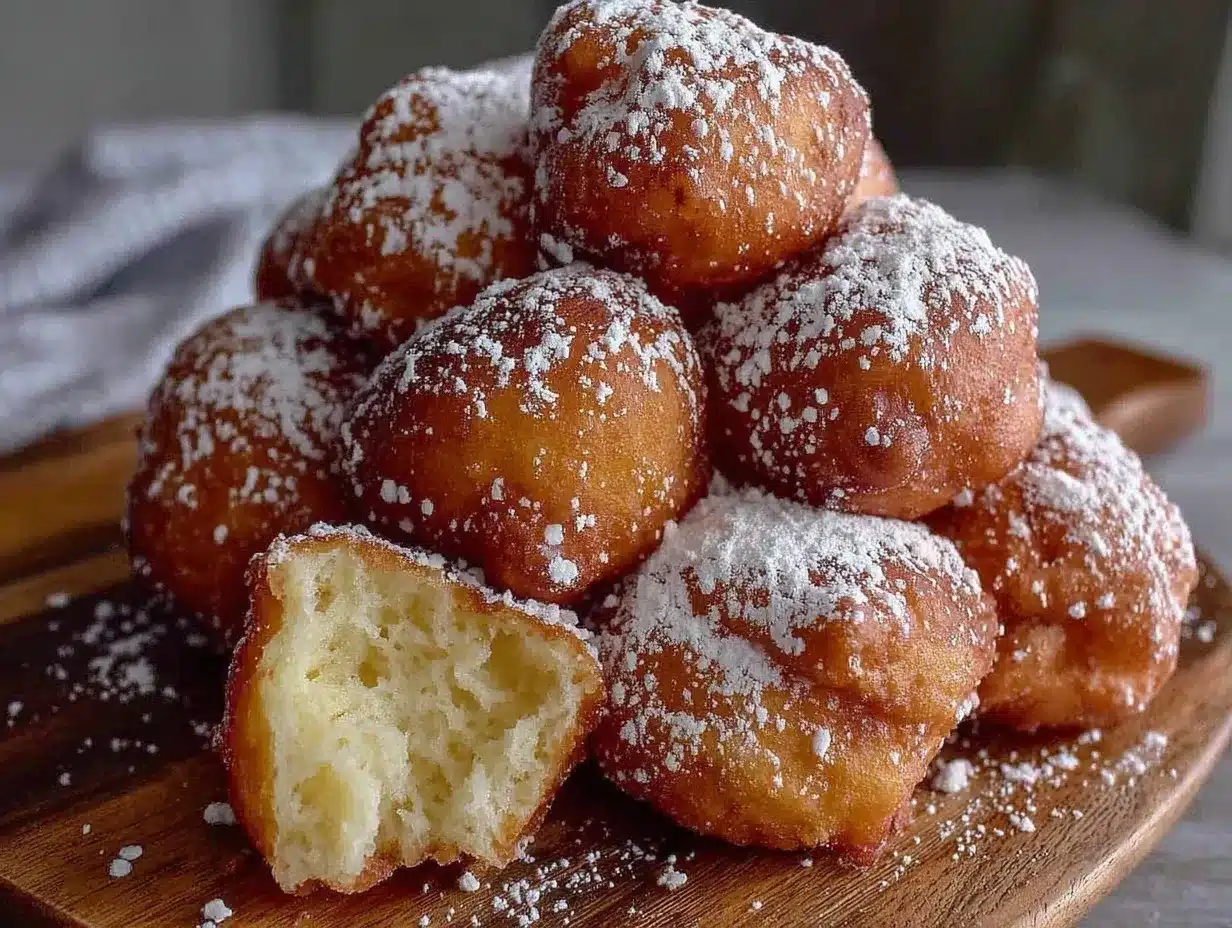
“You’ve got to try these beignets,” my neighbor casually said over the fence one sunny afternoon, holding out a paper bag dusted with powdered sugar like a delicate treasure. I was skeptical at first—fried dough treats always seemed a little intimidating to pull off at home. But honestly, that first bite of these crispy French beignets changed everything. The outside was perfectly golden and crunchy, while inside, the pillowy softness melted softly against my tongue. It reminded me of those cozy mornings from a trip to New Orleans, but without the hassle or the long lines.
What really caught me off guard was how simple they were to make with ingredients I already had. There was no need for fancy equipment or hours of prep — just a few easy steps, a bit of patience with the dough, and a fryer or heavy pot. The powdered sugar dusting? The cherry on top that turned those little pillows into something almost magical. I ended up making these crispy French beignets several times that week, sometimes sneaking a few before breakfast, other times sharing them with friends who immediately asked for the recipe.
It’s funny how a simple treat can quietly become a beloved ritual, the kind of recipe you tuck away for whenever you need a little comfort or a sweet pick-me-up. That’s why this recipe stuck with me — it’s reliable, decadent, and just the right kind of indulgent without being complicated. If you’re like me, craving something crispy, sugary, and undeniably satisfying, these beignets will feel like a warm hug from the kitchen.
Why You’ll Love This Crispy French Beignets Recipe
Making crispy French beignets at home might sound fancy, but honestly, it’s easier than you think. After testing and tweaking this recipe multiple times, I can say it’s a winner for so many reasons:
- Quick & Easy: The dough comes together in about 15 minutes, and you’ll have beignets frying crispy in under 30 — perfect for busy mornings or unexpected guests.
- Simple Ingredients: You probably already have flour, yeast, and sugar hiding in your pantry. No specialty shopping required.
- Perfect for Any Occasion: Whether it’s a lazy weekend brunch, an afternoon treat, or a festive gathering, these beignets bring a little French café charm to your table.
- Crowd-Pleaser: Kids, adults, and picky eaters can’t resist the light, airy inside and the sweet powdered sugar finish.
- Unbelievably Delicious: The texture balance between the crispy exterior and soft interior is what sets this recipe apart from other fried dough treats.
This isn’t just another fried dough recipe. What makes these beignets special is the dough’s gentle rise, which gives it a perfect puff and chewiness, plus the technique of frying in small batches to keep each piece crisp. I also love how the powdered sugar melts slightly on the warm surface, adding that nostalgic sweetness we all crave. If you’ve enjoyed treats like crispy cheesy tater tot ranch bake or want to keep the comfort food vibes going, this recipe definitely fits the bill.
What Ingredients You Will Need
This recipe uses simple, wholesome ingredients to deliver bold flavor and satisfying texture without the fuss. Most are pantry staples, so no last-minute grocery runs needed — unless you want to treat yourself to some fresh powdered sugar for that perfect dusting.
- All-Purpose Flour – 2 ½ cups (315g), sifted for lightness
- Active Dry Yeast – 1 packet (2 ¼ teaspoons), for that airy rise
- Granulated Sugar – 2 tablespoons, to feed the yeast and add subtle sweetness
- Warm Water – 1 cup (240ml), around 110°F (43°C) to activate the yeast
- Whole Milk – ½ cup (120ml), room temperature (adds richness)
- Unsalted Butter – 4 tablespoons (56g), melted and slightly cooled (for tender dough)
- Large Egg – 1, room temperature (helps bind and enrich)
- Salt – ½ teaspoon, to balance sweetness
- Powdered Sugar – for dusting (don’t skimp here; it’s the final magic touch)
- Vegetable Oil – for frying (I like canola or peanut oil for neutral flavor and high smoke point)
If you’re feeling adventurous, you can swap the all-purpose flour with gluten-free flour blends, but results might be a bit denser. For a dairy-free option, substitute almond milk for whole milk and vegan butter instead of unsalted butter. I’ve found that using a trusted yeast brand like Fleischmann’s gives the most consistent rise. And if fresh powdered sugar isn’t handy, just give granulated sugar a quick whirl in your blender to make your own!
Equipment Needed
- Mixing Bowls: One large bowl for the dough and a smaller one for proofing the yeast. I always prefer glass or metal bowls for easy cleanup.
- Whisk and Wooden Spoon: For mixing yeast and stirring dough—nothing fancy, but reliable tools.
- Rolling Pin: To roll out the dough evenly; a silicone one is great if you want easy cleanup.
- Deep Fryer or Heavy Pot: A deep, heavy-bottomed pot works well for frying if you don’t have a dedicated fryer. Just be sure to use a thermometer.
- Cooking Thermometer: Essential to check the oil temperature stays steady around 350°F (175°C). Without it, your beignets might soak up too much oil or burn.
- Slotted Spoon or Spider Strainer: For safely lifting the beignets out of the hot oil.
- Cooling Rack: Helps keep beignets crisp after frying by letting excess oil drip away.
If you don’t have a thermometer, a quick test is dropping a small piece of dough into the oil — it should bubble and rise to the surface quickly without darkening right away. Also, I love using a spider strainer I picked up at a local market; it feels safer and makes frying less nerve-wracking. If you’re on a budget, a heavy pot with a deep fryer basket substitute can work just fine.
Preparation Method
- Proof the Yeast: In a small bowl, combine 1 cup (240ml) warm water (about 110°F/43°C) with 2 tablespoons sugar and the packet of active dry yeast. Give it a quick stir and let it sit for 5–7 minutes until foamy and bubbly. If it doesn’t foam, your yeast might be expired or water too hot/cold—start over.
- Mix the Dough: In a large bowl, whisk together 2 ½ cups (315g) sifted all-purpose flour and ½ teaspoon salt. Add the yeast mixture, ½ cup (120ml) room-temp whole milk, 4 tablespoons melted butter, and 1 large room-temp egg. Stir with a wooden spoon until the dough starts coming together.
- Knead the Dough: Lightly flour a clean surface and knead the dough for about 8–10 minutes until it’s smooth, slightly sticky, and elastic. If it’s too sticky, sprinkle a bit more flour, but don’t overdo it—your beignets will be tender if you keep some moisture.
- First Rise: Place the dough in a lightly greased bowl, cover with a clean kitchen towel or plastic wrap, and let it rise in a warm spot for 1 to 1 ½ hours, or until doubled in size. I usually put mine near the oven or a sunny window.
- Roll and Cut: Once risen, punch down the dough gently and transfer it to a floured surface. Roll it out to about ½ inch (1.25 cm) thickness. Using a sharp knife or pizza cutter, cut the dough into roughly 3-inch (7.5 cm) squares or rectangles. Don’t worry about perfect shapes; rustic edges add charm.
- Heat the Oil: Pour vegetable oil into your deep fryer or heavy pot until it’s about 2–3 inches deep. Heat the oil to 350°F (175°C), using a thermometer to check. Keep an eye on the temp—too hot and the beignets burn; too cool and they absorb oil.
- Fry the Beignets: Carefully drop a few pieces of dough into the hot oil, frying in small batches to avoid crowding. Fry for about 2–3 minutes per side or until golden brown and puffed. Use a slotted spoon or spider strainer to flip and remove them. Drain on a cooling rack or paper towels.
- Dust with Powdered Sugar: While warm, generously dust the beignets with powdered sugar. You want enough so it melts slightly on the surface, creating that classic French café look and taste.
- Serve Immediately: Beignets are best enjoyed fresh, but if you must hold them, keep them loosely covered with a clean towel to maintain crispness.
Pro tip: If you find your dough too sticky after resting, a light dusting of flour on your hands or surface helps without toughening the dough. Also, frying in small batches keeps the oil temperature stable, so don’t rush it! I learned the hard way that overcrowding leads to soggy beignets — and nobody wants that.
Cooking Tips & Techniques for Crispy French Beignets
Making perfect beignets takes a little patience and a few tricks I picked up over time. Here’s what helped me get that ideal crispy-and-soft combo:
- Temperature Control Is Key: Keeping your oil steady at 350°F (175°C) ensures the beignets cook evenly. If it’s hotter, they burn outside but stay raw inside; if cooler, they soak up oil and get greasy.
- Don’t Skip the Proofing: Letting the yeast fully activate and the dough rise is what gives the beignets their light, airy texture. Rushing this step results in dense treats, which is a bummer.
- Roll Evenly: Uniform thickness means even frying. If some pieces are thinner, they’ll cook faster and might crisp up too much.
- Batch Frying: Fry only a few pieces at a time to keep the oil temperature constant. Overcrowding lowers the heat and leads to soggy beignets.
- Use a Spider Strainer: It’s safer and easier than a slotted spoon for flipping and removing beignets from hot oil.
- Drain Properly: Place fried beignets on a cooling rack set over paper towels to let excess oil drip away without causing sogginess.
- Powdered Sugar Timing: Dust the beignets right after frying while they’re still warm, so the sugar melts slightly and sticks better.
One lesson I learned the hard way was trying to make the dough too dry by adding too much flour during kneading. That made the beignets tough instead of tender. Also, I once fried an entire batch at once because I was impatient — don’t do that! It’s worth the extra time to keep each batch crisp and golden.
Variations & Adaptations for Your Beignets
You can switch things up with this crispy French beignets recipe in a few fun ways, depending on your mood or dietary needs:
- Filled Beignets: Before frying, add a small spoonful of fruit jam, Nutella, or pastry cream in the center of the dough squares, sealing edges carefully. It creates a delightful surprise inside.
- Gluten-Free Version: Use a gluten-free all-purpose flour blend designed for baking. The texture will be slightly different but still tasty. Add a teaspoon of xanthan gum if your blend doesn’t include it.
- Dairy-Free Adaptation: Swap whole milk for almond or oat milk, and use vegan butter or coconut oil. The flavor will shift slightly but remains delicious and crisp.
- Seasonal Twists: Incorporate a pinch of cinnamon or nutmeg in the dough for fall vibes, or top with citrus zest powdered sugar for a fresh spring feel.
- Alternative Sweet Toppings: Try sprinkling with cinnamon sugar, drizzle with chocolate sauce, or even a light dusting of cocoa powder for a grown-up treat.
I once tried a batch with a raspberry jam center and it was a hit at a brunch party. If you enjoy snacks like the crispy air fryer jalapeño poppers with bacon and creamy cheese, you might appreciate these beignets as the sweet counterpart to spicy finger foods.
Serving & Storage Suggestions
Beignets really shine when served fresh and warm, dusted generously with powdered sugar. Serve them on a simple plate with a cup of coffee, hot chocolate, or café au lait to capture that classic French café vibe.
If you have leftovers (which is rare!), store them in an airtight container at room temperature for up to 24 hours. To bring back some crispness, reheat briefly in a 350°F (175°C) oven for 5 minutes. Avoid microwaving as it makes them chewy.
These treats pair wonderfully with fresh fruit or a rich dipping sauce like chocolate ganache or caramel. If you want to keep it simple, just piling on more powdered sugar is always a win.
Over time, beignets lose their crispness, so I recommend making just enough for the occasion. That said, the slight softening can be charming if you enjoy a chewier texture. I often serve them alongside savory dishes like crispy BBQ bacon tater tot casserole to balance sweet and salty flavors in a meal.
Nutritional Information & Benefits
Each crispy French beignet is an indulgent treat, with an estimated 150-180 calories per piece depending on size and frying oil absorbed. They provide carbohydrates for quick energy and a small amount of protein and fat from eggs and butter.
The use of yeast contributes to the light texture but doesn’t significantly affect nutritional content. Using whole milk adds some calcium and vitamin D, while moderating the powdered sugar topping helps keep added sugars in check.
This recipe is naturally gluten-containing due to the all-purpose flour but can be adapted for gluten-free diets as mentioned earlier. It’s a special-occasion treat rather than an everyday snack, perfect for those who appreciate homemade comfort food without overly processed ingredients.
Conclusion
Making these crispy French beignets at home has been a joyful little adventure—one that turns simple ingredients into a cozy, sweet moment you can share or savor solo. The balance of crunchy exterior, fluffy interior, and that snowy powdered sugar dusting makes this recipe stand out from other fried dough options.
Feel free to tweak the flavors, try fillings, or pair them with your favorite drinks and dishes. Personally, I love how they bring a bit of French café magic into my kitchen, especially when paired with casual comfort foods like creamy buffalo chicken 7-layer dip.
I’d love to hear how your batch turns out and what twists you add! Leave a comment or share your photos—there’s something special about swapping stories over sweet treats.
Frequently Asked Questions About Crispy French Beignets
How do I know when the oil is the right temperature for frying beignets?
The oil should be around 350°F (175°C). Use a cooking thermometer for accuracy. If you don’t have one, drop a small piece of dough in; it should bubble and float to the top quickly without browning immediately.
Can I make the dough ahead of time?
Yes! After the first rise, punch down the dough, cover it tightly, and refrigerate overnight. Let it come back to room temperature before rolling and frying.
Why are my beignets greasy?
Usually, this happens when the oil is too cool or you fry too many pieces at once. Keep the oil temperature steady and fry in small batches to avoid sogginess.
Can I bake French beignets instead of frying?
Baking won’t give you the signature crispy exterior, but you can try baking at a high temperature (around 425°F/220°C) for a lighter version—expect a different texture though.
What’s the best way to store leftover beignets?
Keep them in an airtight container at room temperature for up to 24 hours. Reheat briefly in the oven to restore crispness. Avoid microwaving to prevent them from becoming chewy.
Pin This Recipe!

Crispy French Beignets Recipe Easy Homemade Powdered Sugar Treats

These crispy French beignets feature a perfectly golden and crunchy exterior with a pillowy soft interior, dusted generously with powdered sugar for a classic French café treat. Easy to make with simple pantry ingredients and perfect for any occasion.
- Prep Time: 15 minutes
- Cook Time: 15 minutes
- Total Time: 1 hour 45 minutes
- Yield: About 16 beignets (4 servings) 1x
- Category: Dessert
- Cuisine: French
Ingredients
- 2 ½ cups (315g) all-purpose flour, sifted
- 1 packet (2 ¼ teaspoons) active dry yeast
- 2 tablespoons granulated sugar
- 1 cup (240ml) warm water (about 110°F/43°C)
- ½ cup (120ml) whole milk, room temperature
- 4 tablespoons (56g) unsalted butter, melted and slightly cooled
- 1 large egg, room temperature
- ½ teaspoon salt
- Powdered sugar, for dusting
- Vegetable oil (canola or peanut oil preferred) for frying
Instructions
- Proof the yeast: In a small bowl, combine warm water, sugar, and active dry yeast. Stir and let sit for 5–7 minutes until foamy.
- Mix the dough: In a large bowl, whisk together sifted flour and salt. Add yeast mixture, whole milk, melted butter, and egg. Stir until dough starts to come together.
- Knead the dough: Lightly flour a clean surface and knead dough for 8–10 minutes until smooth, slightly sticky, and elastic. Add flour sparingly if too sticky.
- First rise: Place dough in a lightly greased bowl, cover, and let rise in a warm spot for 1 to 1 ½ hours until doubled in size.
- Roll and cut: Punch down dough, roll out to ½ inch (1.25 cm) thickness. Cut into roughly 3-inch (7.5 cm) squares or rectangles.
- Heat the oil: Pour vegetable oil into a deep fryer or heavy pot to 2–3 inches depth. Heat to 350°F (175°C) using a thermometer.
- Fry the beignets: Fry dough pieces in small batches for 2–3 minutes per side until golden brown and puffed. Use a slotted spoon or spider strainer to flip and remove. Drain on a cooling rack or paper towels.
- Dust with powdered sugar: While warm, generously dust beignets with powdered sugar.
- Serve immediately: Best enjoyed fresh and warm. Keep loosely covered if holding for a short time.
Notes
Keep oil temperature steady at 350°F to avoid greasy or burnt beignets. Fry in small batches to maintain oil temperature. Dust with powdered sugar immediately after frying for best flavor and appearance. Dough can be refrigerated overnight after first rise. Avoid microwaving leftovers to prevent chewiness; reheat in oven at 350°F for 5 minutes instead.
Nutrition
- Serving Size: Approximately 4 beig
- Calories: 150180
- Sugar: 5
- Sodium: 150
- Fat: 7
- Saturated Fat: 3.5
- Carbohydrates: 22
- Fiber: 1
- Protein: 3
Keywords: beignets, French beignets, crispy beignets, fried dough, powdered sugar treats, homemade beignets, easy dessert, French dessert