Introduction
“Hey, have you ever tried making gyoza at home?” my friend asked one chilly evening as we rummaged through the fridge, hunting for something quick but satisfying. Honestly, I was skeptical—homemade dumplings always seemed like one of those kitchen projects that required endless patience and special skills. But curiosity won over, and that night, armed with a hastily gathered list and zero expectations, I rolled up my sleeves.
The sizzle as those gyoza hit the pan was oddly comforting, like hearing a secret promise of something delicious in the making. The crisp edges, the tender, savory filling—it was a quiet surprise. A few tweaks later, this recipe became a staple in my kitchen for those nights when I want something that feels both fancy and approachable. And you know what? It’s perfect for when guests drop by unannounced or when you just want to impress yourself without any fuss.
What stuck with me wasn’t just the taste but the way these dumplings brought a calm rhythm to the chaos of dinner prep. They have this unassuming charm that makes you close your eyes for a moment and just savor the simple pleasure of a crisp bite paired with juicy, flavorful filling. That’s why I keep coming back to this Crispy Japanese Gyoza Dumplings recipe—it’s a little act of comfort and accomplishment all rolled into one.
Why You’ll Love This Recipe
After making and remaking this recipe more times than I can count, here’s why it’s become a go-to for so many weeknights and casual get-togethers:
- Quick & Easy: Ready in under 40 minutes, these gyoza are perfect for busy evenings when you want something homemade but without the long prep.
- Simple Ingredients: No exotic or hard-to-find items. Most of the ingredients are pantry staples or easy to grab at any grocery store.
- Perfect for Entertaining: Whether it’s a casual night with friends or a small party, these dumplings disappear fast—they’re just that good.
- Crowd-Pleaser: Kids and adults alike love the crispy exterior and juicy savory filling combo. It’s one of those dishes that sparks curiosity and satisfaction at the same time.
- Unbelievably Delicious: The magic happens in the contrast—the delicate, chewy wrapper crisps beautifully on the bottom while the filling stays moist and flavorful.
This isn’t your average frozen gyoza reheated in a pan. The filling has a carefully balanced seasoning with notes of garlic, ginger, and a touch of soy that makes every bite sing. Plus, I like to add a splash of rice vinegar to the dipping sauce to cut through the richness—a little trick that really wakes up the flavors. If you love the comforting crunch of crispy buffalo chicken dishes or the savory satisfaction of a BBQ pulled pork slider, you’ll find these gyoza hit that same sweet spot of crave-worthy comfort with a Japanese twist.
What Ingredients You Will Need
This recipe uses simple, wholesome ingredients to deliver bold flavor and satisfying texture without the fuss. Most of these you probably have on hand, and the filling comes together quickly with fresh aromatics that make a noticeable difference.
- Gyoza wrappers: Round, thin dumpling skins—look for the ones labeled “gyoza” or “potsticker” wrappers. I prefer spring roll wrappers for extra crispiness, but traditional ones work great too.
- Ground pork: The classic choice for authentic Japanese gyoza—choose a blend with a little fat for juiciness.
- Green cabbage: Finely shredded, it adds crunch and balances the savory meat.
- Garlic: Minced—adds that punch of flavor everyone loves.
- Fresh ginger: Grated, for a subtle zing that cuts through richness.
- Green onions: Thinly sliced, for brightness and mild onion flavor.
- Soy sauce: I recommend a naturally brewed soy sauce for depth (Kikkoman is a reliable brand).
- Sake or dry sherry: Adds a touch of sweetness and complexity.
- Sesame oil: Just a few drops for that nutty aroma that screams “Asian comfort food.”
- Salt and pepper: To taste—season the filling well to bring out all the flavors.
- Vegetable oil: For pan-frying to get that iconic crispy bottom.
- Water: For steaming the gyoza in the pan during cooking.
If you want to swap things up, ground chicken or turkey works nicely as a leaner option, and napa cabbage is a great alternative to green cabbage when in season. For a gluten-free take, try using rice flour wrappers or serve the filling steamed in lettuce cups. I’ve even made a vegetarian version swapping the meat for finely chopped shiitake mushrooms and firm tofu—surprisingly hearty!
Equipment Needed
- Large mixing bowl: For combining the filling ingredients thoroughly.
- Non-stick skillet or cast-iron pan: Essential for achieving that perfect crispy bottom without sticking.
- Small bowl of water: To moisten the edges of the wrappers for sealing.
- Chopping board and sharp knife: For finely shredding cabbage and mincing aromatics.
- Spoon or small cookie scoop: To portion out the filling evenly.
- Paper towels: Handy for draining any excess moisture from the cabbage to avoid soggy filling.
- Optional: Bamboo steamer or metal steaming rack: If you want to steam the gyoza fully rather than pan-fry crisp.
I’ve tried making these in both non-stick and cast iron pans; the cast iron gives a better golden crust but requires a bit more oil and attention to heat. For budget-friendly cooks, a well-seasoned non-stick skillet works well and is easier to clean up. Just be patient with the heat control—it’s the secret to that signature crispy finish.
Preparation Method
- Prepare the filling (10 minutes): In a large mixing bowl, combine 1 pound (450 g) of ground pork, 1 cup (100 g) finely shredded green cabbage (squeeze out excess moisture), 2 minced garlic cloves, 1 tablespoon grated fresh ginger, 3 finely sliced green onions, 2 tablespoons soy sauce, 1 tablespoon sake or dry sherry, 1 teaspoon sesame oil, and a pinch of salt and pepper. Mix everything gently but thoroughly until well combined and slightly sticky. This helps the filling hold together inside the wrappers.
- Fill the gyoza (15 minutes): Place a wrapper on a clean surface. Dip your finger in water and moisten the edge of the wrapper. Spoon about 1 tablespoon (15 ml) of filling into the center. Fold the wrapper in half, pressing the edges to seal, then pleat one side toward the other to create those classic ridges. Don’t overfill—too much filling makes sealing tricky. Repeat until all filling is used.
- Cook the gyoza (15 minutes): Heat 2 tablespoons (30 ml) vegetable oil in a large non-stick skillet over medium-high heat. Arrange the gyoza flat side down in the pan, leaving a little space between each. Fry for 2-3 minutes without moving them, until bottoms are golden and crisp. Add 1/3 cup (80 ml) water carefully, cover immediately with a lid, and let steam for about 5 minutes until the water evaporates and the wrappers become tender but still hold shape. Remove the lid and cook for another 2 minutes to re-crisp the bottom.
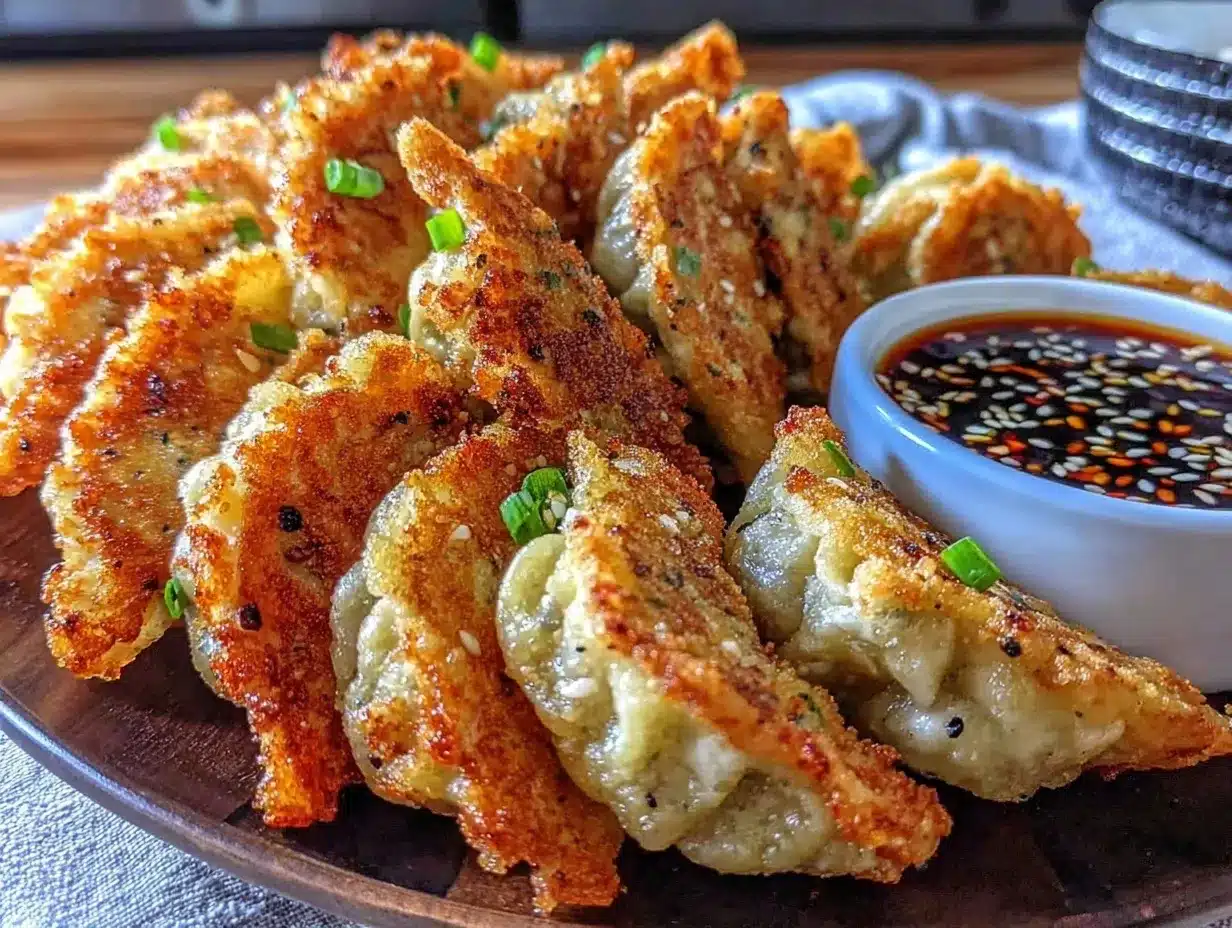
- Serve: Transfer gyoza to a plate, garnish with extra sliced green onions if desired, and serve hot with a dipping sauce made from soy sauce, rice vinegar, and a touch of chili oil or sesame seeds.
- Troubleshooting tips: If your wrappers tear while folding, try using slightly moistened edges and don’t overfill. If the pan is too hot, the bottoms may burn before steaming finishes—adjust the heat accordingly. Too much water while steaming? Use just enough to create steam but not so much that the dumplings swim.
Cooking Tips & Techniques
Getting those crispy Japanese gyoza dumplings just right takes a little finesse, but once you nail it, it’s such a rewarding feeling. Here are some tried-and-true tips I’ve learned over many batches:
- Drain the cabbage well: Excess moisture in the filling leads to soggy dumplings. After shredding, squeeze the cabbage tightly in a clean towel or paper towels.
- Use a gentle folding technique: Pleating the edges creates that classic look and helps seal the dumplings. Don’t rush it—practice makes perfect.
- Pan heat control is key: Medium-high heat for the initial fry, then lower to medium for steaming. Too hot, and the bottoms burn; too low, and they won’t crisp up nicely.
- Don’t crowd the pan: Give each gyoza some space so the steam circulates evenly and they cook uniformly.
- Practice multitasking: While gyoza steam, you can whip up a quick dipping sauce or prep a simple side. This keeps the kitchen workflow smooth and efficient.
- Personal lesson: I once tried to skip the steaming step and pan-fry only, but the filling ended up undercooked and dry. Steaming locks in moisture and gives the wrapper that perfect tender bite inside the crisp bottom.
Variations & Adaptations
One of the joys of this recipe is how versatile it is. Here are some ways to adjust it to your tastes or dietary needs:
- Vegetarian option: Replace the pork with finely chopped shiitake mushrooms, crumbled firm tofu, and shredded carrots for a hearty meat-free filling.
- Spicy twist: Add a teaspoon of chili garlic sauce or finely diced fresh chili to the filling for some heat.
- Seafood filling: Swap pork for chopped shrimp or crab meat mixed with the same aromatics and seasonings for a coastal vibe.
- Cooking method variation: Try steaming the gyoza fully in a bamboo steamer for a softer texture or air-frying them for a less oily but still crispy finish.
- Gluten-free version: Use rice flour wrappers or serve the filling in lettuce wraps for a light, grain-free alternative.
Personally, I once made a batch with kimchi folded into the filling. The tangy, spicy punch was unexpected but fantastic—a reminder that gyoza are a canvas for creativity.
Serving & Storage Suggestions
Serve these crispy Japanese gyoza dumplings hot, straight from the pan, with a dipping sauce on the side. A simple mix of soy sauce, rice vinegar, and a dash of chili oil or toasted sesame seeds works wonders. Garnish with extra green onions or a sprinkle of toasted sesame seeds for a little flair.
They pair beautifully with a light cucumber salad or a bowl of miso soup for a balanced meal. For a casual snack platter, add some steamed edamame or spring rolls to round things out.
To store, place cooled gyoza in an airtight container in the refrigerator for up to 2 days. Reheat in a non-stick pan with a little oil to regain crispiness—or pop them in an air fryer at 350°F (175°C) for 3-4 minutes. For longer storage, freeze uncooked gyoza on a baking sheet in a single layer, then transfer to a freezer bag. Cook directly from frozen, adding a couple extra minutes to the steaming time.
Flavors actually deepen after a day or so, so leftovers can be a delightful surprise when reheated.
Nutritional Information & Benefits
Each serving (about 6 gyoza) provides roughly 280 calories, 16 grams of protein, 12 grams of fat, and 24 grams of carbohydrates. The ground pork supplies essential amino acids and iron, while ginger and garlic offer anti-inflammatory benefits. Cabbage adds fiber and vitamins C and K, contributing to digestive health.
This recipe can be adapted for lower-carb diets by using alternative wrappers or serving the filling with greens. It’s naturally gluten-rich unless you swap the wrappers, and contains soy, so keep that in mind for allergies. Overall, it’s a satisfying dish that balances indulgence with nutrition, perfect for a mindful yet comforting meal.
Conclusion
There’s just something about making these crispy Japanese gyoza dumplings with savory filling that turns a simple dinner into a small celebration. They’re approachable enough for weeknight cooking but special enough to impress friends or family without breaking a sweat. Plus, the process itself feels like a little ritual, grounding in the warmth of the kitchen and the sizzle of the pan.
Feel free to tailor the filling and dipping sauce to what you enjoy most—after all, cooking is personal, and these dumplings are happy to adapt. I hope this recipe finds its way onto your table as often as it does mine, bringing that satisfying crunch and cozy comfort in every bite.
Let me know how your batch turns out or if you’ve tried any fun variations. Sharing those little kitchen stories is what makes food so much more than just a meal.
FAQs
What’s the best way to store leftover gyoza?
Cool them completely, then store in an airtight container in the refrigerator for up to 2 days. Reheat by pan-frying or air-frying to maintain crispiness.
Can I freeze gyoza before cooking?
Yes! Place uncooked gyoza on a baking sheet in a single layer, freeze until solid, then transfer to a freezer bag. Cook straight from frozen, adding extra steaming time.
What substitutes can I use for the pork filling?
Ground chicken, turkey, or a vegetarian mix with mushrooms and tofu work well. Adjust seasoning to taste when swapping.
How do I prevent gyoza from sticking to the pan?
Use a non-stick or well-seasoned cast-iron pan with enough oil and avoid overcrowding. Let them sear undisturbed before adding water to steam.
What dipping sauce pairs best with these gyoza?
A simple combination of soy sauce, rice vinegar, and a dash of chili oil or sesame seeds complements the savory filling perfectly.
Pin This Recipe!
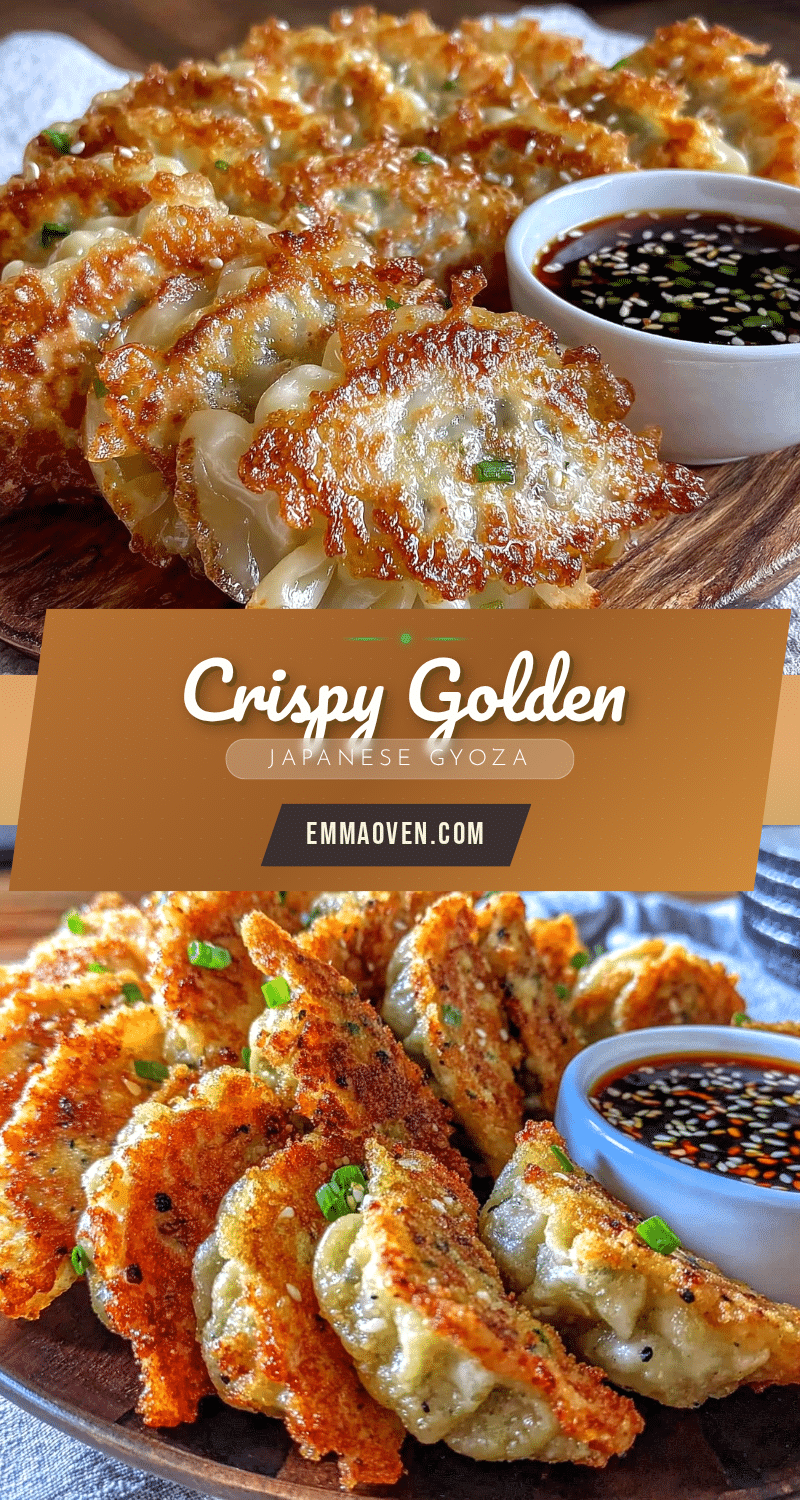
Crispy Japanese Gyoza Dumplings
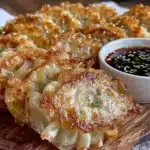
These crispy Japanese gyoza dumplings feature a savory pork and cabbage filling with a perfectly crisp bottom and tender wrapper, ideal for quick weeknight meals or entertaining guests.
- Prep Time: 25 minutes
- Cook Time: 15 minutes
- Total Time: 40 minutes
- Yield: 6 servings (about 6 gyoza per serving) 1x
- Category: Main Course
- Cuisine: Japanese
Ingredients
- 1 pound ground pork
- 1 cup finely shredded green cabbage (squeezed to remove excess moisture)
- 2 cloves garlic, minced
- 1 tablespoon fresh ginger, grated
- 3 green onions, thinly sliced
- 2 tablespoons soy sauce
- 1 tablespoon sake or dry sherry
- 1 teaspoon sesame oil
- Salt and pepper to taste
- Gyoza wrappers (round, thin dumpling skins)
- Vegetable oil for pan-frying
- Water for steaming
Instructions
- Prepare the filling: In a large mixing bowl, combine ground pork, shredded cabbage, minced garlic, grated ginger, sliced green onions, soy sauce, sake or dry sherry, sesame oil, salt, and pepper. Mix gently but thoroughly until well combined and slightly sticky.
- Fill the gyoza: Place a wrapper on a clean surface. Moisten the edge with water. Spoon about 1 tablespoon of filling into the center. Fold the wrapper in half and press edges to seal, pleating one side to create ridges. Repeat with remaining filling.
- Cook the gyoza: Heat 2 tablespoons vegetable oil in a large non-stick skillet over medium-high heat. Arrange gyoza flat side down, leaving space between each. Fry for 2-3 minutes until bottoms are golden and crisp.
- Add 1/3 cup water carefully, cover immediately, and steam for about 5 minutes until water evaporates and wrappers are tender but hold shape.
- Remove lid and cook for another 2 minutes to re-crisp the bottom.
- Serve hot with dipping sauce made from soy sauce, rice vinegar, and a touch of chili oil or sesame seeds. Garnish with extra sliced green onions if desired.
Notes
Drain cabbage well to avoid soggy filling. Use gentle pleating to seal wrappers properly. Control pan heat carefully to avoid burning bottoms. Do not overcrowd the pan for even cooking. Steaming locks in moisture and ensures tender filling. Leftover gyoza can be refrigerated for 2 days or frozen uncooked for longer storage.
Nutrition
- Serving Size: About 6 gyoza per se
- Calories: 280
- Fat: 12
- Carbohydrates: 24
- Protein: 16
Keywords: gyoza, Japanese dumplings, crispy gyoza, pork dumplings, pan-fried dumplings, easy gyoza recipe, savory filling, homemade gyoza