Let me tell you, the scent of warm, freshly baked pita bread wafting through my kitchen is enough to make anyone’s mouth water instantly. The first time I baked these tender homemade pita breads, I was instantly hooked—the kind of moment where you pause, take a deep breath, and just smile because you know you’re onto something truly special. It was years ago, on a rainy weekend when I was knee-high to a grasshopper, trying to recreate the pita my grandma used to make. Honest to goodness, I wish I’d stumbled upon this recipe years earlier. My family couldn’t stop sneaking them off the cooling rack (and I can’t really blame them). You know what? These pitas are dangerously easy to make and offer pure, nostalgic comfort that brightens up any meal.
Let’s face it, tender homemade pita bread with soft, fluffy texture is perfect for potlucks, sweet treats for your kids, or just a simple snack to brighten up your Pinterest cookie board—or well, bread board! I’ve tested this recipe more times than I can count, in the name of research, of course. It’s now a staple for family gatherings and gifting, and it feels like a warm hug every single time you bite into one. You’re going to want to bookmark this one.
Why You’ll Love This Recipe
Honestly, after baking pita bread for years and trying countless recipes, this one stands out because it’s not just good—it’s the kind that makes you close your eyes after the first bite. Here’s why you’ll love this tender homemade pita bread recipe:
- Quick & Easy: Comes together in under 2 hours, perfect for busy weeknights or last-minute cravings.
- Simple Ingredients: No fancy grocery trips needed; you likely already have everything in your kitchen pantry.
- Perfect for Any Occasion: Great for casual dinners, picnic sandwiches, or stuffing with your favorite fillings.
- Crowd-Pleaser: Always gets rave reviews from kids and adults alike—soft, fluffy, and just right.
- Unbelievably Delicious: The texture is next-level comfort food—soft yet tender with that perfect pocket for all your fillings.
What sets this recipe apart? The secret lies in the gentle kneading and the resting time that lets the dough develop a wonderfully soft crumb. Plus, I blend just the right amount of olive oil for richness without weighing down the bread. This isn’t just another pita recipe; it’s your best version for soft, fluffy pita bread that tastes like it came straight from a bakery.
It’s comfort food with soul—healthier, faster, and guaranteed to impress guests without the stress. I’ve had friends ask me for this recipe after tasting it, and honestly, I feel like it turns a simple meal into something memorable.
What Ingredients You Will Need
This recipe uses simple, wholesome ingredients to deliver bold flavor and satisfying texture without the fuss. You’ll find most are pantry staples, and the few fresh items are easy to pick up at any grocery store.
- All-Purpose Flour: 3 cups (360 g) – I prefer King Arthur for consistent texture.
- Warm Water: 1 1/4 cups (300 ml) – about 110°F/43°C, perfect for activating yeast.
- Active Dry Yeast: 2 1/4 teaspoons (one packet) – fresh yeast works too if you have it.
- Sugar: 1 tablespoon – feeds the yeast and adds a slight sweetness.
- Salt: 1 1/2 teaspoons – brings out the flavor of the bread.
- Olive Oil: 2 tablespoons – adds richness and softness (extra virgin for best aroma).
If you want a gluten-free version, almond flour or a gluten-free baking blend can work, but expect a different texture (still tasty!). For dairy-free options, this recipe is already vegan-friendly—no milk or butter needed. In the summer, I sometimes swap a couple of tablespoons of water for fresh herb-infused olive oil, which adds a lovely subtle flavor twist.
Equipment Needed
- Mixing Bowl: Large enough to hold rising dough comfortably.
- Kitchen Scale: Optional but highly recommended for precise measurements.
- Measuring Cups & Spoons: Essential for accuracy.
- Rolling Pin: For flattening the dough rounds evenly.
- Baking Sheet or Pizza Stone: A pizza stone produces the best puff, but a baking sheet works just fine.
- Kitchen Towel or Plastic Wrap: To cover dough during rising.
If you don’t have a rolling pin, you can use a clean wine bottle—worked like a charm for me once when I was in a pinch. A pizza stone retains heat better, which helps the pita puff up nicely, but I’ve baked on a regular baking sheet plenty of times with great results. Keeping tools clean and dry helps the dough behave better, trust me on that one!
Preparation Method
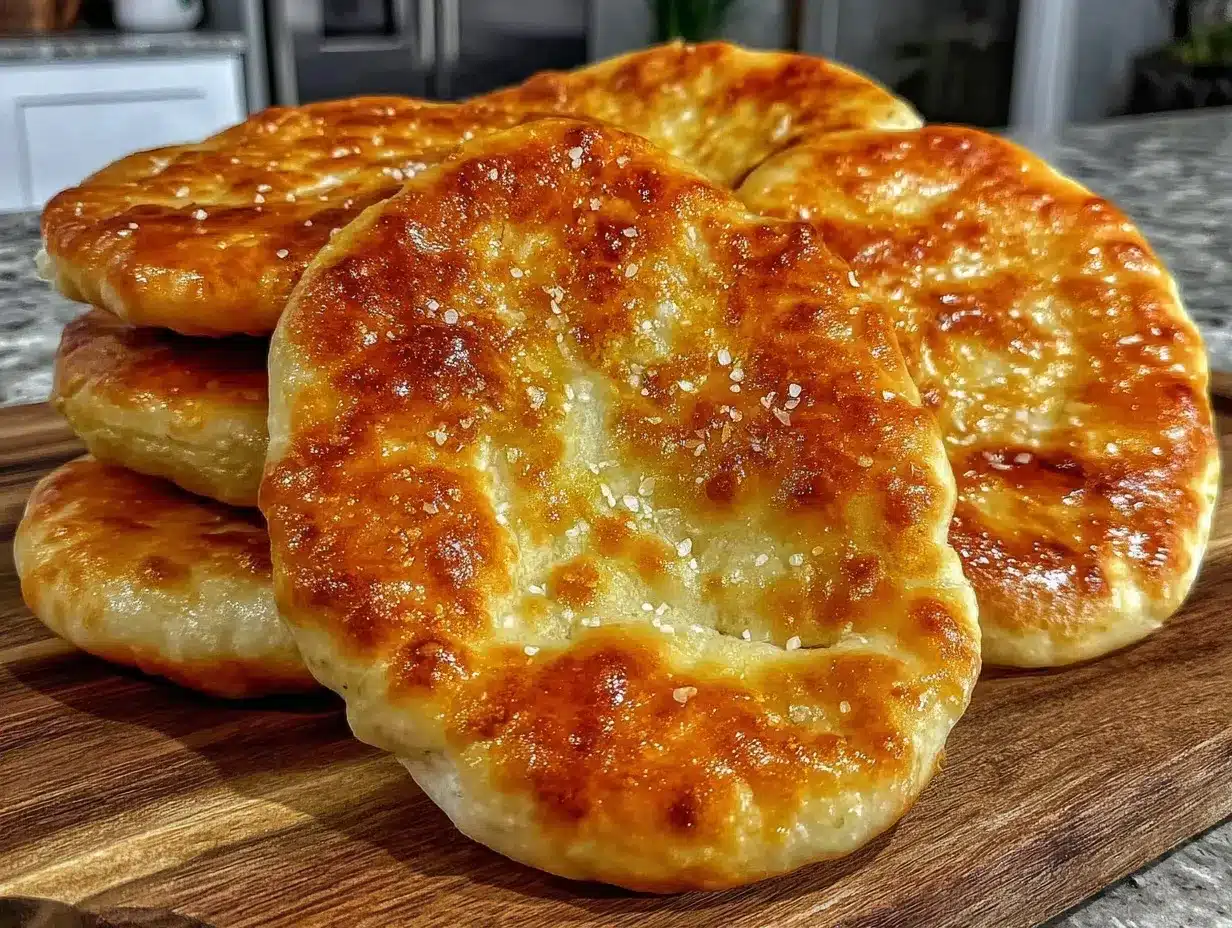
- Activate the Yeast (5-10 minutes): In a small bowl, combine warm water (110°F/43°C) and sugar. Sprinkle the yeast on top and let it sit until foamy—about 5 to 10 minutes. It should look bubbly and smell yeasty; if not, your yeast might be old.
- Mix the Dough (10 minutes): In a large mixing bowl, combine the flour and salt. Make a well in the center and pour in the yeast mixture and olive oil. Stir with a wooden spoon or your hands until the dough begins to come together.
- Knead the Dough (8-10 minutes): Transfer the dough onto a lightly floured surface. Knead by hand until smooth and elastic—about 8 to 10 minutes. The dough should feel soft, slightly tacky but not sticky. If it’s too sticky, dust with a little more flour, but be careful not to add too much.
- First Rise (1 to 1 1/2 hours): Shape the dough into a ball, coat it lightly with olive oil, and place it in a clean bowl. Cover with a damp kitchen towel or plastic wrap. Let it rise in a warm, draft-free spot until doubled in size.
- Divide and Shape (15 minutes): Punch down the dough gently to release air. Divide into 8 equal pieces (about 85 grams / 3 oz each). Roll each piece into a smooth ball, then using a rolling pin, roll into circles about 1/4-inch (6 mm) thick. Keep the circles covered with a towel to prevent drying out.
- Second Rise (30 minutes): Let the rolled-out dough rest for 30 minutes. This rest helps the pitas puff up beautifully during baking.
- Bake (5-7 minutes): Preheat your oven to 475°F (245°C). If using a pizza stone, place it in the oven while preheating. Transfer dough rounds carefully onto the hot baking surface. Bake for 5-7 minutes, watching closely for puffing and light golden spots. The pitas should puff into pockets—if not, check the oven temperature or dough thickness.
- Cool and Store: Remove pitas and cover with a clean kitchen towel to keep soft as they cool. Serve warm or store in an airtight container once completely cool.
Quick tip: If your pitas don’t puff up the first time, don’t sweat it. Sometimes the dough needs a bit more rest or your oven might run cooler. Adjust thickness or oven temp accordingly. Personally, I like to test the oven with a small piece of dough before baking all pitas—it saves time and frustration!
Cooking Tips & Techniques
Making tender homemade pita bread isn’t rocket science, but a few tricks make a world of difference. First, the water temperature is critical—too hot kills the yeast, too cold slows it down. I use a thermometer to nail it every time.
Another thing: don’t skip kneading. It develops gluten, which gives your pitas that soft, fluffy texture. I’ve learned the hard way that under-kneaded dough results in flat, dense pitas. Also, resting the dough twice is key. The first rise builds flavor and texture, the second lets the dough relax for those puffing pockets you want.
When rolling out, aim for uniform thickness to ensure even puffing. Uneven dough leads to some pitas puffing while others stay flat. And baking on a preheated surface keeps the bottom hot enough to create steam quickly, causing that perfect pocket.
One common mistake I see is opening the oven too soon. Let the pitas bake uninterrupted so they puff fully. Also, cover them with a towel right after baking to keep them soft, or they’ll dry out fast.
Multitasking tip: While dough rises, prep your fillings or side dishes to make the whole meal come together smoothly. Trust me, that saved me many times!
Variations & Adaptations
Want to shake things up? Here are some tasty ways to customize your tender homemade pita bread:
- Whole Wheat Pita: Swap half or all of the all-purpose flour for whole wheat. It adds nuttiness and extra fiber but may require a bit more water.
- Herb-Infused Pita: Add 1-2 tablespoons of finely chopped fresh herbs like rosemary or thyme to the dough for a fragrant twist.
- Gluten-Free Version: Use a gluten-free flour blend designed for bread baking. The texture will be slightly different but still delicious.
- Baking Method: Instead of the oven, you can cook pitas on a very hot cast iron skillet. Cook each side for 1-2 minutes until puffed and golden.
- Flavor Boost: For a smoky touch, sprinkle the tops with za’atar or sesame seeds before baking.
I once tried adding a little garlic powder to the dough—my family loved the subtle flavor kick. Experimenting with mix-ins is part of the fun!
Serving & Storage Suggestions
Serve your tender homemade pita bread warm for best results. Stuff them with falafel, grilled veggies, or your favorite shawarma for a classic treat. They also pair beautifully with dips like hummus, baba ganoush, or tzatziki.
Storage is straightforward: keep pitas in an airtight container at room temperature for up to 2 days. For longer storage, freeze them in zip-top bags for up to 3 months. When ready to eat, thaw at room temp and warm in a skillet or oven wrapped in foil to retain softness.
Reheating gently brings back that fresh-baked texture. Letting pitas sit overnight slightly intensifies their flavor, making leftovers even better the next day—if they last that long, that is!
Nutritional Information & Benefits
Each tender homemade pita bread (about 6 inches in diameter) provides roughly 150-180 calories, with 3-5 grams of protein and minimal fat, depending on the olive oil used. This recipe is naturally dairy-free and can be made gluten-free with substitutions.
The key ingredients—flour, yeast, and olive oil—offer a good source of carbohydrates for energy, some heart-healthy fats, and B vitamins. Compared to store-bought pita, homemade versions have no preservatives or added sugars, making them a wholesome choice.
From a wellness perspective, making your own pita bread lets you control the salt and oil content, tailoring it to your dietary needs. It’s a satisfying way to enjoy bread without the guilt of additives.
Conclusion
Honestly, this tender homemade pita bread recipe is a keeper. It’s simple, soft, and fluffy—the kind of bread that feels like a warm hug in every bite. Whether you’re stuffing it with falafel, dipping it in your favorite sauce, or just nibbling fresh from the oven, you can’t go wrong.
Feel free to tweak the recipe to your liking—add herbs, spices, or swap flours. I love how versatile it is and how it brings everyone to the table. If you try it, I’d love to hear how your batch turned out or what fun variations you created.
Go ahead, give it a shot and share this recipe with your friends and family. And don’t forget to drop a comment below—I’m always here for recipe stories and questions. Happy baking!
FAQs About Tender Homemade Pita Bread
How do I get my pita bread to puff up perfectly?
Make sure your oven and baking surface are very hot before baking. Also, roll the dough evenly about 1/4 inch thick and don’t open the oven door while baking to keep the steam trapped.
Can I make pita bread without yeast?
Yeast is key for the traditional texture and flavor. You can try baking powder as a substitute, but the bread won’t have the same puff or chewiness.
How long can homemade pita bread be stored?
Store at room temperature in an airtight container for 2 days or freeze for up to 3 months. Reheat gently before serving.
Is this recipe suitable for gluten-free diets?
Yes, by swapping all-purpose flour with a gluten-free baking blend, you can make a tasty gluten-free version, though texture will be a bit different.
Can I prepare the dough ahead of time?
Absolutely! You can refrigerate the dough after the first rise for up to 24 hours. Just bring it to room temperature before shaping and baking.
Pin This Recipe!
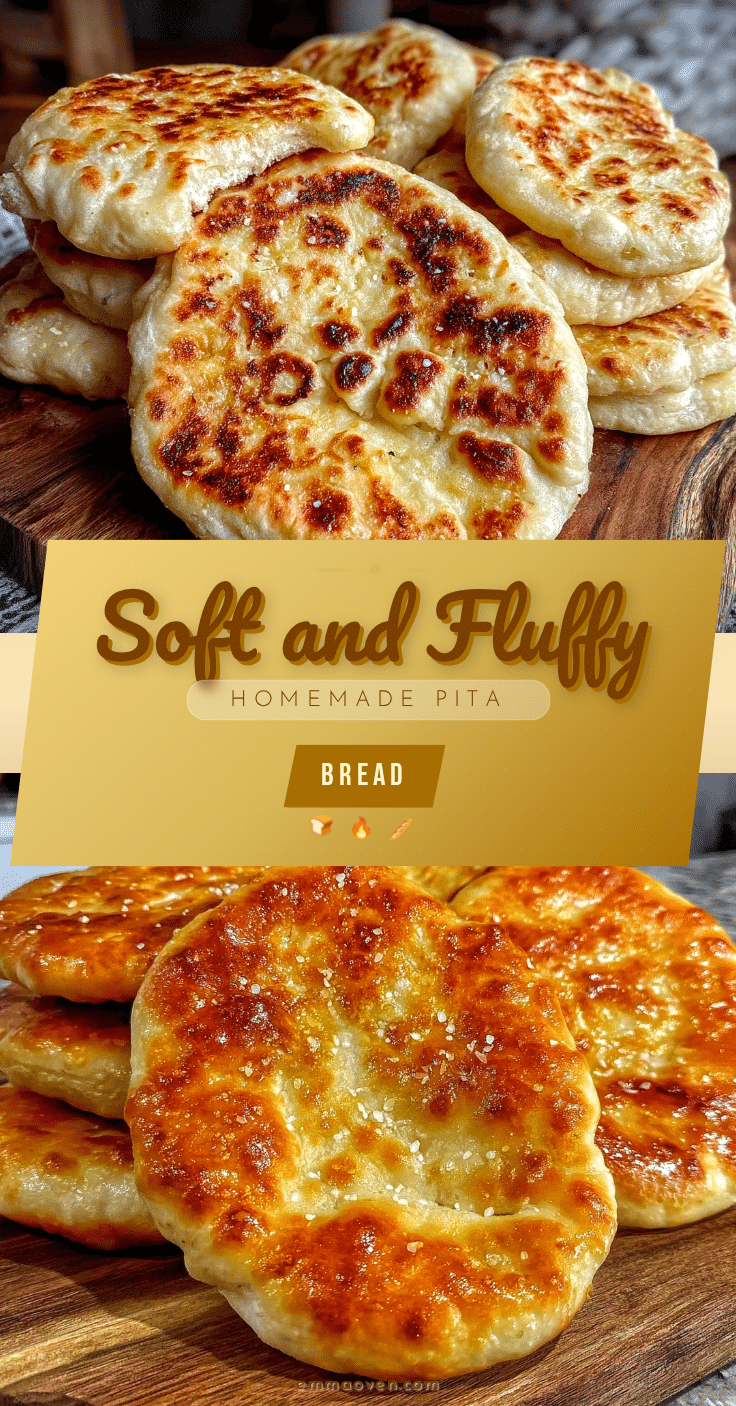
Tender Homemade Pita Bread Recipe Easy Soft Fluffy Pita Bread at Home

This tender homemade pita bread recipe yields soft, fluffy pitas with perfect pockets, ideal for sandwiches, dips, or snacks. Easy to make with simple pantry ingredients and quick preparation.
- Prep Time: 20 minutes
- Cook Time: 7 minutes
- Total Time: 1 hour 55 minutes
- Yield: 8 servings 1x
- Category: Bread
- Cuisine: Middle Eastern
Ingredients
- 3 cups (360 g) all-purpose flour
- 1 1/4 cups (300 ml) warm water (about 110°F/43°C)
- 2 1/4 teaspoons (one packet) active dry yeast
- 1 tablespoon sugar
- 1 1/2 teaspoons salt
- 2 tablespoons olive oil (extra virgin recommended)
Instructions
- Activate the yeast: In a small bowl, combine warm water (110°F/43°C) and sugar. Sprinkle the yeast on top and let it sit until foamy, about 5 to 10 minutes.
- Mix the dough: In a large mixing bowl, combine the flour and salt. Make a well in the center and pour in the yeast mixture and olive oil. Stir until the dough begins to come together.
- Knead the dough: Transfer dough to a lightly floured surface and knead by hand until smooth and elastic, about 8 to 10 minutes. Add flour if too sticky, but sparingly.
- First rise: Shape dough into a ball, coat lightly with olive oil, place in a clean bowl, cover with a damp towel or plastic wrap, and let rise in a warm spot until doubled in size, about 1 to 1 1/2 hours.
- Divide and shape: Punch down dough, divide into 8 equal pieces (~3 oz each). Roll each into a ball, then flatten with a rolling pin into 1/4-inch thick circles. Cover with a towel to prevent drying.
- Second rise: Let the rolled dough rest for 30 minutes to help puffing during baking.
- Bake: Preheat oven to 475°F (245°C). Place a pizza stone or baking sheet in oven to heat. Transfer dough rounds onto hot surface and bake 5-7 minutes until pitas puff and have light golden spots.
- Cool and store: Remove pitas, cover with a clean towel to keep soft. Serve warm or store in an airtight container once cooled.
Notes
Use a thermometer to ensure water is about 110°F to activate yeast properly. Knead dough well to develop gluten for soft texture. Keep dough thickness uniform for even puffing. Preheat baking surface thoroughly. Do not open oven door during baking to retain steam. Cover pitas after baking to keep soft. Dough can be refrigerated after first rise for up to 24 hours before shaping and baking.
Nutrition
- Serving Size: 1 pita bread (about
- Calories: 165
- Sugar: 2
- Sodium: 300
- Fat: 4
- Saturated Fat: 0.5
- Carbohydrates: 28
- Fiber: 1
- Protein: 5
Keywords: pita bread, homemade pita, soft pita, fluffy pita, easy pita bread, Middle Eastern bread, yeast bread, flatbread